

- Best Time to Visit
Best Time to Visit Izu Peninsula
The best times to visit Izu Peninsula are February to May and October to Early December. During these periods, the climate is generally favorable without severe cold and oppressive heat. Rainfall is mildly moderate with only occasional heavy downpours, and Izu is less prone to be hit by typhoons. What’s more, natural landscapes in these times are stunning and unforgettable. All of the above-mentioned makes your travel experience more joyful!Read more: Best Time to Visit Shizuoka

February to May
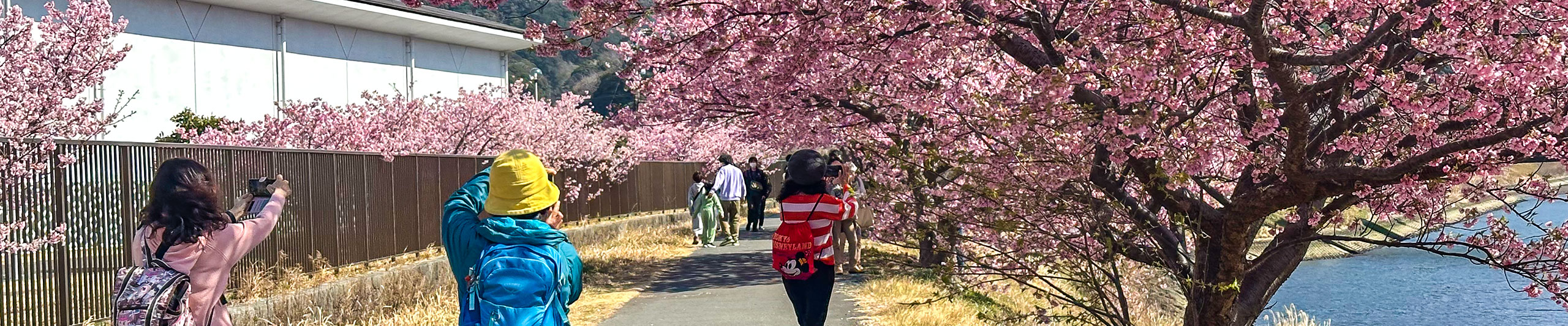
Thanks to wide expanses of the peninsula, visitors can enjoy a prolonged cherry blossom season with different types of Sakura. Izu is well-known for its Kawazu cherry flowers, whose best viewing period lasts from early or mid-February to early March. Unlike the overly crowded sakura viewing sites in cities like Tokyo and Kyoto, Izu offers comparatively quieter ones, such as Kawazu River, Aono River and Kinomiya Shrine. Plus, the first two sites also provide views of yellow rape flowers. From late March to early April, other common types of cherry blossoms are in full bloom in a “sakura tunnel” near the Izu-kogen Station and Sakura-no-Sato Park at the foot of Mount Omuro.If you plan a long trip to Izu in this time of 2026, these amazing views are also worth appreciating: Atami sakura along the Itokawa Promenade from late January to early February, plum blossoms between mid-February and early March and azaleas at the Komuroyama Park from mid- to late April.
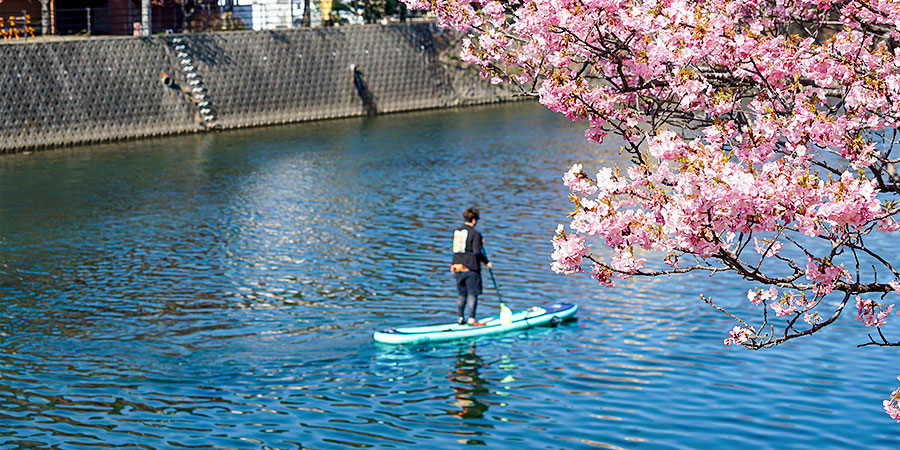
Boating amidst Sakura
|
Other Travel Recommendation & Advice
1. Another bonus is lots of wonderful festivals. For instance, Omuro Yamayaki Festival is held on the second Sunday of February, when you’ll see a spectacle of the burning fire spreading from the foot of Mount Omuro to its summit. Besides, Hina Festival lasts from late January to March at Inatori Onsen, where many places like inns and shrines have hina dolls placed and triangular ornaments hung to pray for girls to grow up healthily.2. The Golden Week from late April to early May is one of the busiest travel times of the year in Japan. Though Izu Peninsula draws far fewer visitors than popular destinations like Osaka and Kyoto, the hotels nearby its hotspots and train tickets are expensive and sought-after. Thus, early reservation is advised.
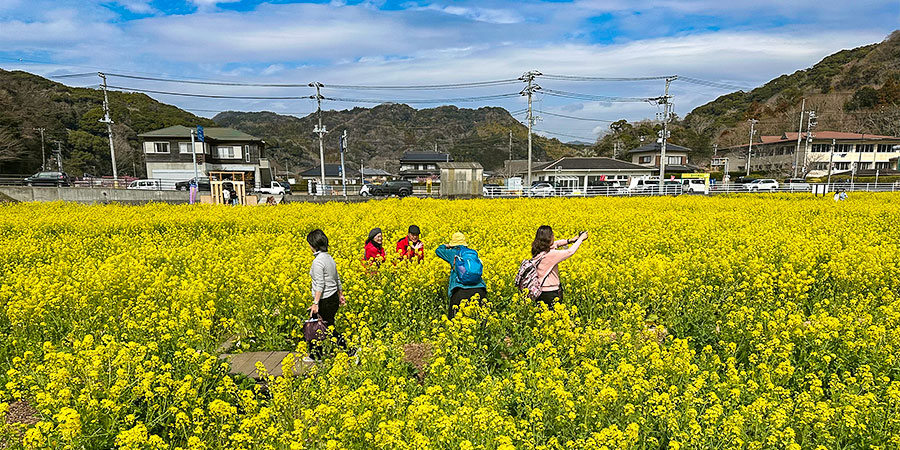
Rape Flowers in Spring
|
October to Early December
In this time, Izu Peninsula typically sees more tourists admiring its beautiful autumn landscapes, particularly between mid-November to early December - the peak period of fall foliage. Here are plenty of ways to admire such scenery: view it along with Kawazu Seven Waterfalls from late November, wander around Atami Plum Garden or stroll along the Bamboo Forest Path in Shuzenji, and soak in an open-air hot spring at Shuzenji Onsen while surrounded by colorful autumn leaves.Other Highlight & Suggestion
1. Ise Lobster Festival from early October to November is a real feast of Ise lobsters, hailed as one of the top-quality seafoods in Japan for their chewy texture and sweet flavor.2. The best time of viewing autumn foliage varies each year because of temperature differences. If you wish to enjoy the fall foliage at its most vibrant, please keep an eye on the related notice in advance.
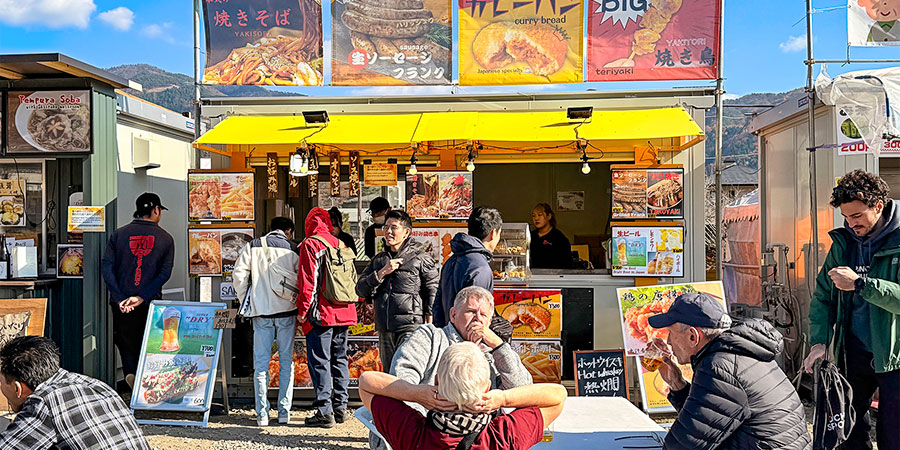
Food Stalls in Fall Foliage Season
|
Trip to Izu in Winter from December to February: Still Enjoyable
Winter in Izu Peninsula is not bitterly cold as the lowest temperatures seldom fall below freezing. Moreover, though its daylight hours are shorter than those of other seasons, winter receives limited precipitation, but frequent sunny days and mild UV rays, leading to the longest sunshine hours and the highest visibility of the year. Thanks to that, late November through February offers a greater chance to see Mount Fuji’s snowcap clearly. Whether you stand on the Ao Terrace of Izu Panorama Park or the observation deck at the summit of Lover Cape, the snowcapped Mount Fuji and the blue ocean are all within your view.Even in bleak winter, you can still sense the strong vitality in the peninsula when fragrant daffodils and red aloe flowers fully bloom at Cape Tsumeki between late December and January.
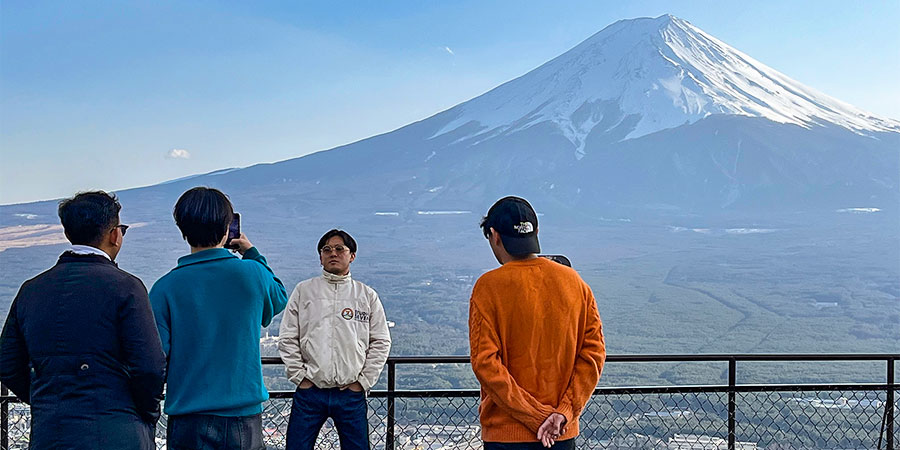
Capture Snowcapped Mt. Fuji
|
Izu is home to hot springs, so why not take the opportunity to enjoy these onsens?
1. Atami Onsen, one of the most popular resorts here, features its awe-inspiring seascapes. Its chloride and sulfate-rich hot spring water is helpful to alleviate cold extremities and lose weight.
2. Shuzenji Onsen is integrated with the surrounding natural wonders, and soaking in its water is said to not only ease neuralgia and joint pain, but also release mental stress.
3. Shimoda Onsen consisting of several hot spring areas, allows you to admire various natural scenes such as valley and ocean while soaking in. Rich in sodium chloride, the water is effective in relieving fatigue and curing chronic skin diseases.
Trip to Izu in Summer from June to August: Not Bad
In the first part of the season from early June to mid-July, the rainy season is ongoing with frequent light showers. With a mix of hot climate and high humidity, you often feel sticky. In the latter part of summer, rainy and overcast days give way to sunny skies with intense UV rays. And summer may be affected by typhoons. Overall, summer is not a very suitable period for outdoor activities.However, if this is the only time you can visit Izu, there are still many joys waiting to be explored.
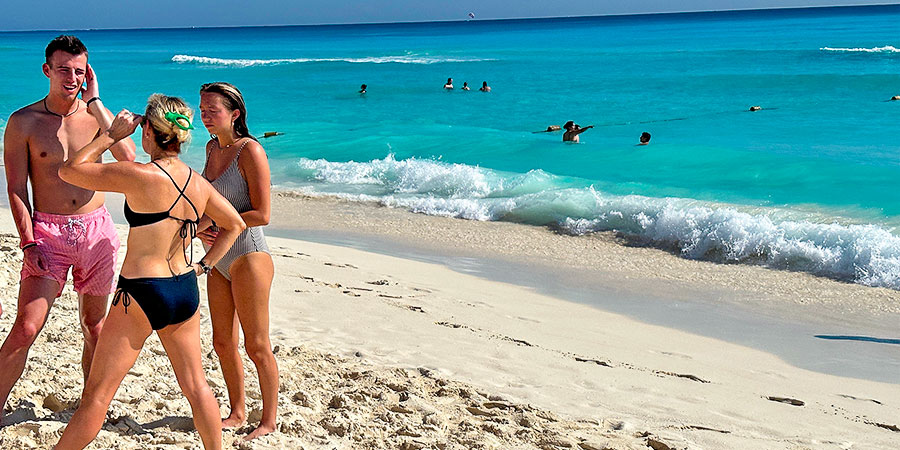
Shirahama Ohama Beach
|
Water Activities
With the seawater temperature of 24-28°C (75-82℉) and sea breezes, beach resorts are good destinations to avoid summer heat and experience all water sports. Most of them are open from mid-July to late August, when professional lifeguards are staffed and rental shops are open offering swim gear. Highly recommended beaches are as follows:1. Shirahama Ohama Beach, famous for soft, white sands and clear seawater, is one of the top three preferred spots in this time with more tourists.
2. Yumigahama Beach enjoys shallow waters and calm waves, making it an ideal spot for family outings.
3. Tatadohama Beach’s surfing area enables all surfers to enjoy the happiness of catching waves.
Splendid Fireworks
Firework shows in the peninsula are concentrated in July and August. Below are the grand displays for your reference.1. Sea Fireworks Festival of Anjin Festival: 1,0000 fireworks, 20:00-21:00 on August 10
2. Atami Fireworks Festival: 5,000 fireworks per show, 20:15-20:40 during late July and August
3. Kano River Fireworks Festival: a total of 12,000 fireworks over two days, 19:15-20:15 in late July
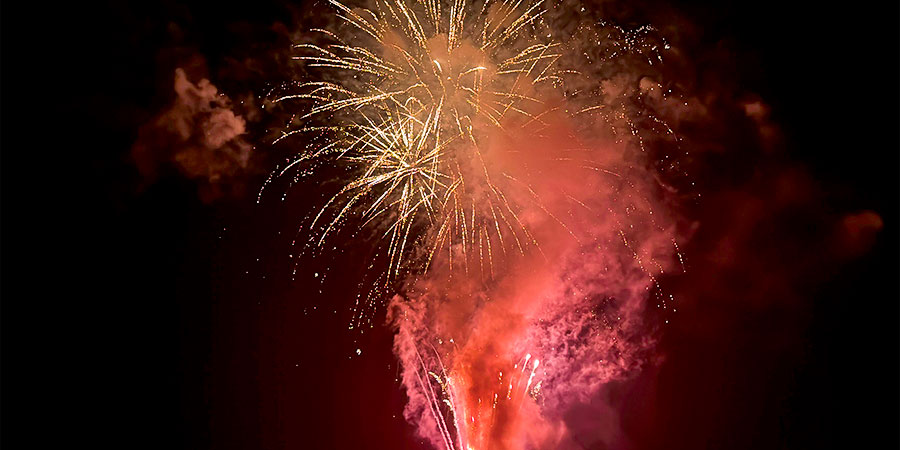
Izu Fireworks Show
|