

Best Time to Visit Shizuoka
When is the best time to visit Shizuoka?
Given the following key reasons, February to May and October to early December are perfect periods to visit Shizuoka.
Favorable Weather
Overall, the climate is neither cold nor hot with mildly moderate precipitation and low impact of typhoons in Shizuoka. Besides, sunshine hours are mostly abundant, and bright sunshine is more favorable for taking stunning photos.Beautiful Natural Wonders
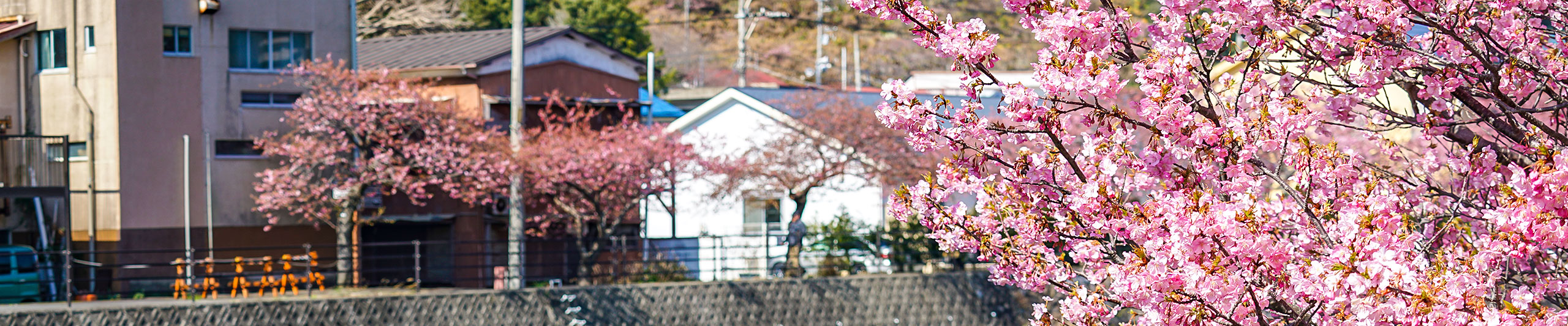
Thanks to vast expanses of Shizuoka, various flowers are blooming one after another during February through early April. For example, you can admire Atami cherry blossoms at Itokawa Promenade around early February, Kawazu Sakura and cole flowers along Kawazu River in early or mid-February to early March, as well as Yoshino cherry flowers at Iwamotoyama Park, Sumpu Castle Park and Hamamatsu Flower Park in late March to early April. Plus, Atami Plum Garden is ablaze with plum flowers in February to early March.
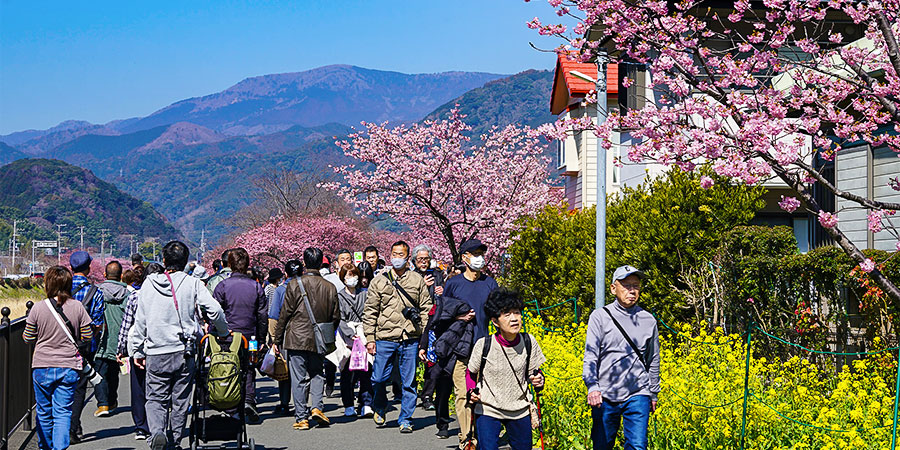
Visitors in Sakura Season
|
Mid-November to early December is the best time to appreciate colorful fall leaves. Sumata Gorge, Shuzenji Nature Park, Hamamatsu Castle Park and Ippekiko Lake let you savor the diverse beauty of late autumn in Shizuoka.
See more: Japan Cherry Blossom Dates Forecast in 2026 & Japan Fall Foliage Forecast in 2026
Multiple Activities
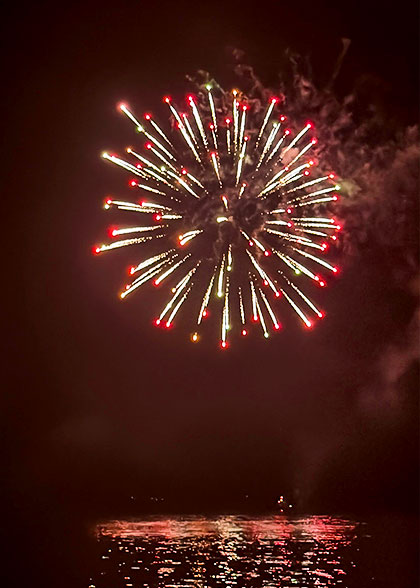
Stunnning Fireworks
|
Bonus Tip
During the Golden Week - usually between late April and early May, many Japanese go on trips, which puts great pressure on scenic spots and public transportation. And hotels nearby popular attractions are in high demand, and tend to be fully booked. Therefore, if your travel time falls within this period, make following preparations:1. Book hotels and airline or train tickets well in advance.
2. Start your day early to avoid peak hours and reduce waiting time.
3. Stay patient and open-minded.
You may want to know: Izu Peninsula Weather & Best Time to Visit Izu Peninsula
Best Time to Admire Snowcapped Mount Fuji: Late November to February
Generally, the first snowcap of Mount Fuji is expected around early October, but due to global warming, its timing has been postponed to late October or early November in the past a few years, and the snow cap doesn’t last long. To be on safe side, late November to February is the recommend time to see the snow-covered summit. Moreover, this period enjoys low precipitation and plenty of clear days, contributing to the highest visibility all year round.Useful Information
1. The best time in a day is around 5:00 to 7:00 am, when the contours of Mount Fuji are clearly visible thanks to less cloud cover.2. Recommended viewing spots in Shizuoka: Miho no Matsubara, Nihon Daira Yume Terrace, Mt. Fuji World Heritage Centre and Fujisan Yume No Ohashi Bridge.
3. Tanukiko Lake is renowned for its one-of-a-kind view of “Double Diamond Mount Fuji”: around April 20 or August 20, the sun rises or sets directly above the summit, making it sparkle like a diamond; this scenery pairs with its inverted reflection in the lake to create the “Double Diamond” views.
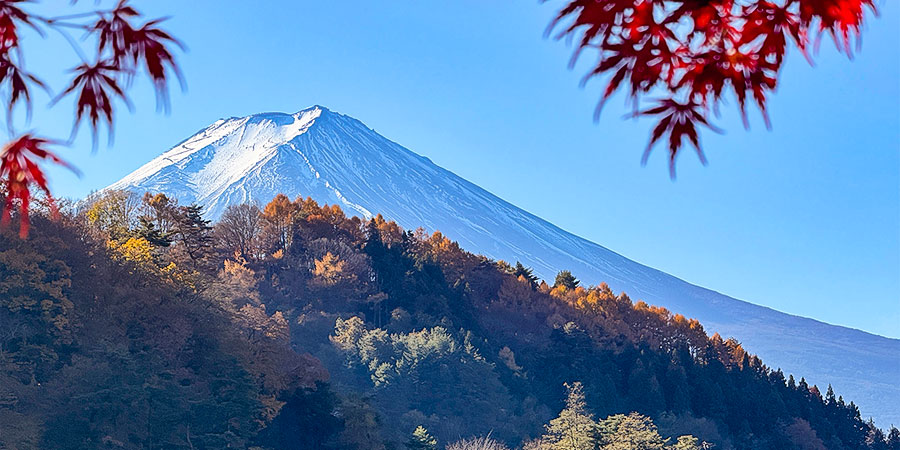
Mount Fuji's Snow Cap
|
Best Time to Climb Mount Fuji: Early July to Early September
The official climbing season for the peak of Mount Fuji is early July to early September, when the snow cover here has melted, and temperatures remain low but bearable. Around mid-August during the Obon Festival, all routes are the most crowded.You may want to know: Can You Still Climb Mt. Fuji Now?
Best Time for Water Sports and Fireworks Shows: July to August
With the seawater temperature of 23-28℃ (73-82℉), July and August are the most comfortable months in a year to enjoy all water spots such as swimming, surfing and snorkeling. Most beach resorts open during mid-July through late August, equipped with professional lifeguards to protect tourists’ safety. Shirahama Ohama Beach, Sotoura Beach and Tatadohama Beach are highly recommended.Magnificent fireworks displays in Shizuoka are mainly concentrated between July and August. For instance, Atami hosts one or two shows with 5,000 fireworks in mid- and late July, and four in August. During Fukuroi Enshu Fireworks Festival around late July, the night sky is aglow with 25,000 fireworks.

Blue Ocean, White Sands
|
Shizuoka Weather by Month
7-Day Shizuoka Weather Forecast