

Izu Peninsula Weather
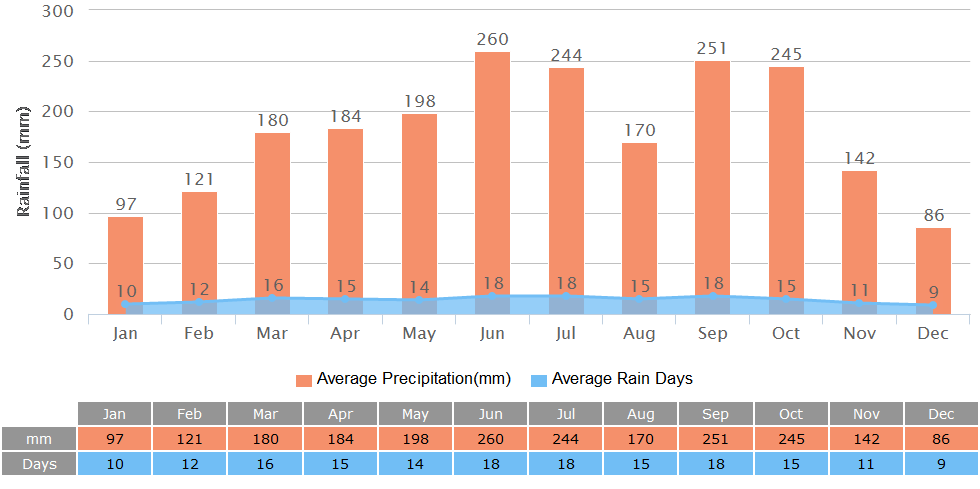
 What is the weather like in Izu? Having a temperate marine climate, Izu Peninsula enjoys four diverse seasons: mild springs from March to May, muggy summers from June to August, cool autumns from September to November and chilly winters from December to February. Rainfall frequently occurs in summer and autumn, especially the rainy season from early June to mid-July. But except for high-elevation regions, the peninsula seldom sees snow.

Temperature
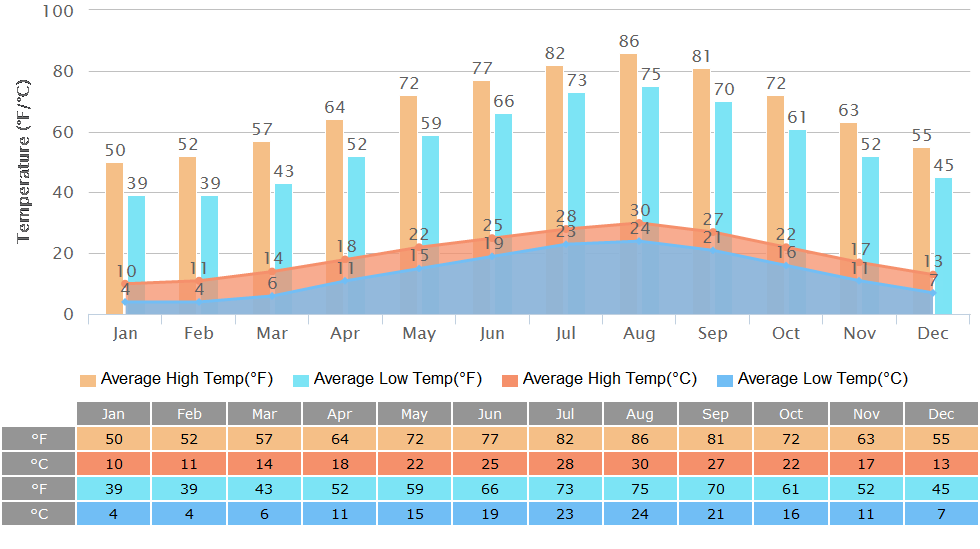
Thanks to the influence of the adjacent ocean, the annual temperature variation of Izu Peninsula is not very large. August, the hottest month of the year, sees maximum temperatures of above 35 degrees Celsius (95 degrees Fahrenheit), but sea breezes often bring a touch of coolness. Though winter becomes much chillier, there is no extreme cold: even in January - the coldest month, minimum temperatures rarely dip below freezing.But the complex terrain leads to some temperature differences, like along coast and in mountainous areas. For instance, in the coastal city Atami, annual temperatures mainly range from 3-29°C (37-84℉), while they get lower at Mount Amagi, fluctuating between -5-23°C (23-73℉) in a year. Plus, the day-night temperature gap in the mountains is greater than in other places, up to around 14°C (57℉).
Precipitation
The annual precipitation of Izu Peninsula is relatively abundant, with an average of roughly 2,100-2,300 mm (83-91 in). Precipitation varies significantly across regions: persistently influenced by moist air currents from the Pacific Ocean, the area around Mount Amagi receives much more precipitation, totaling over 4,000 mm (158 in) yearly; in contrast, annual precipitation at Cape Irozaki, Matsuzaki and Toi averages under 2,000 mm (79 in).Rainfall
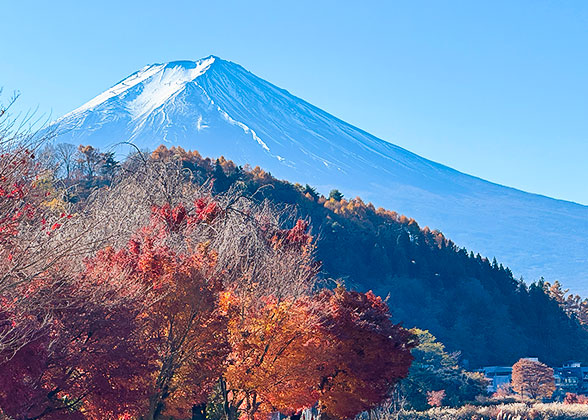
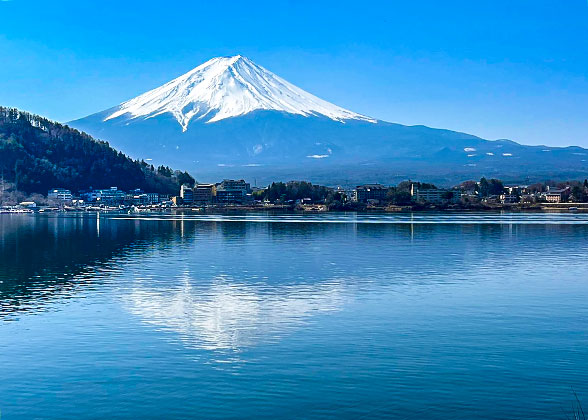
Snowcapped Mount Fuji
|
Snowfall
Snowfall variations across different regions are pretty significant. In high-altitude areas like Mount Amagi, snow usually falls in January and February and it can remain for some time. However, it rarely snows in the warmer coastal areas; even when it does, the snow cover is just a thin layer and melts away quickly. Cape Irozaki, the southernmost part of Izu, remains frost-free and sees no snow at all.When is the snowcap of Mount Fuji highly visible?
Generally speaking, the summit of Mount Fuji is covered by snow in late October - early May, but the best viewing time is late November - February. Thanks to low precipitation and sparse clouds, these periods have high visibility, allowing for a clear view of snowcapped Mount Fuji. You’re advised to visit Izu Panorama Park, Lover Cape or Mount Omuro before 9:00 or after 15:00 to admire this stunning landscape.
Humidity
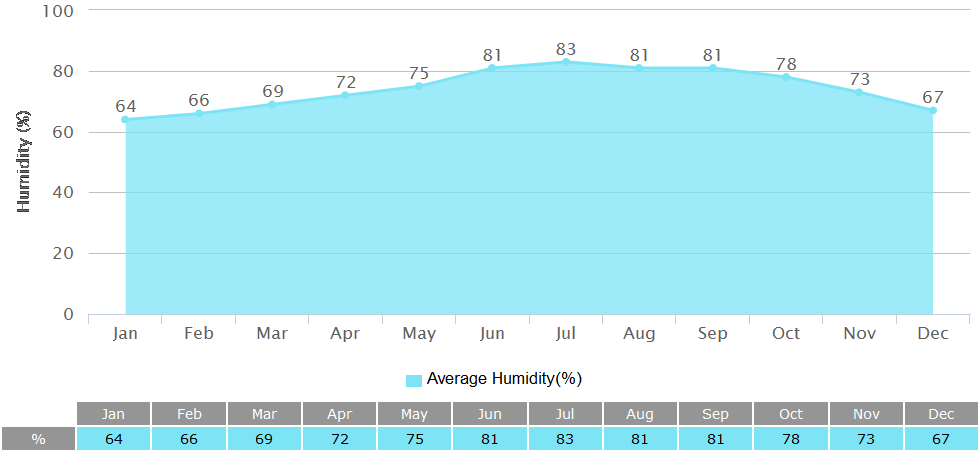
Surrounded by sea on three sides, Izu Peninsula is relatively humid all year round, with monthly humidity ranging from 64% - 83%. In summer, especially during the rainy season, the air is sultry due to hot weather and high humidity; the humidity in winter drops a lot, but you don’t feel very dry.
Humidity Graph of Izu
Typhoon
Izu may be attacked by typhoons between July and October, particularly in August and September, with nearly 1 typhoon making landfall on average each month. Strong winds and heavy rain caused by typhoons may disrupt your visit, so check the weather forecast frequently during these months and try your best to avoid trips in typhoon days.Wind
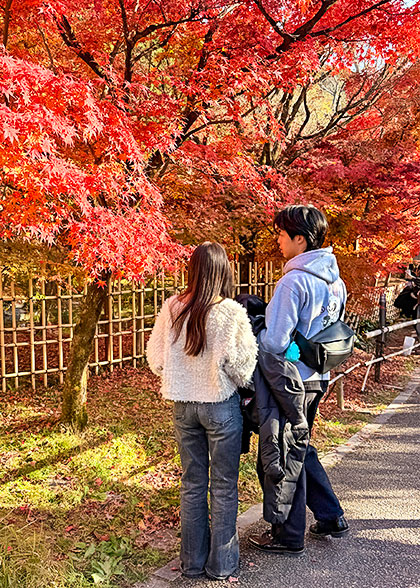
Red Fall Leaves
|
When is the best time to visit Izu Peninsula?
February to May and October to early December are the best times to travel to Izu Peninsula. These two periods, except for February, enjoy comparatively favorable temperatures and moderate precipitation. And most of the time, UV rays are not extremely intense and there is no need to worry too much about typhoons.Also, there are beautiful natural wonders, including cherry blossoms in early February - early April, plum flowers in middle January - early March and autumn leaves in mid-November - early December. Also, ample activities and delicious food will add more fun to your trip: Omuro Yamayaki Festival on the second Sunday of February, when the dry, dead grass is burned down to make the way for fresh one; Hina Festival of Inatori Onsen in late January - March, showcasing hina dolls and hanging ornaments to pray for girls’ healthy growth; and Ise Lobster Festival in early October - November.
See more: Japan Weather & Shizuoka Weather
Izu Climate - Seasons, Travel Highlights and Advice
Floral Spring: March to May
WeatherAs the temperature gradually increases, everything rouses up from sleeping. In March - a transition from winter to spring, it still retains a chill with changeable temperatures. Daytime highs rise from 10-15°C (50-59℉) in early March to 20-25°C (68-77℉) in late March; nighttime lows are typically 5-10°C (41-50℉), but may hover around 0°C (32℉) in colder years. By April and May, temperatures get more stable: highs stay above 20°C (68℉), and the closer late May is, the more likely highs exceed 25°C (77℉); lows also climb to 15-20 (59-68℉).
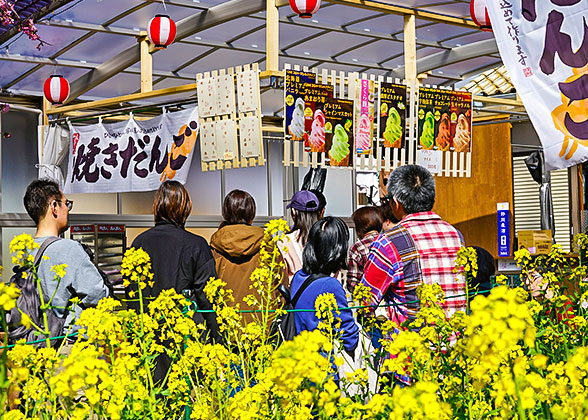
Visitors Queuing at a Food Stall
|
Packing ListClothes: Thin sweaters, lightweight down coats and thin-fleece jeans are suitable outfits in March. Wear hoodies or long-sleeved shirts, denim jackets or cardigans and jeans by April. In May, short sleeve shirts and thin sweatpants or long dresses are acceptable, and prepare a light layer to deal with temperature drops. From May on, Mount Omuro looks like a matcha-tinted pudding. To take attractive photos with this iconic background, white clothes are highly recommended. Considering you may walk a lot, comfy sneakers are the best.
Others: Remember to bring raingear, sunglasses and sunblock. Wear a hat with string against windy weather. There are lots of pollen between March and April, when facial masks are indispensable for ones with a sensitive nose.
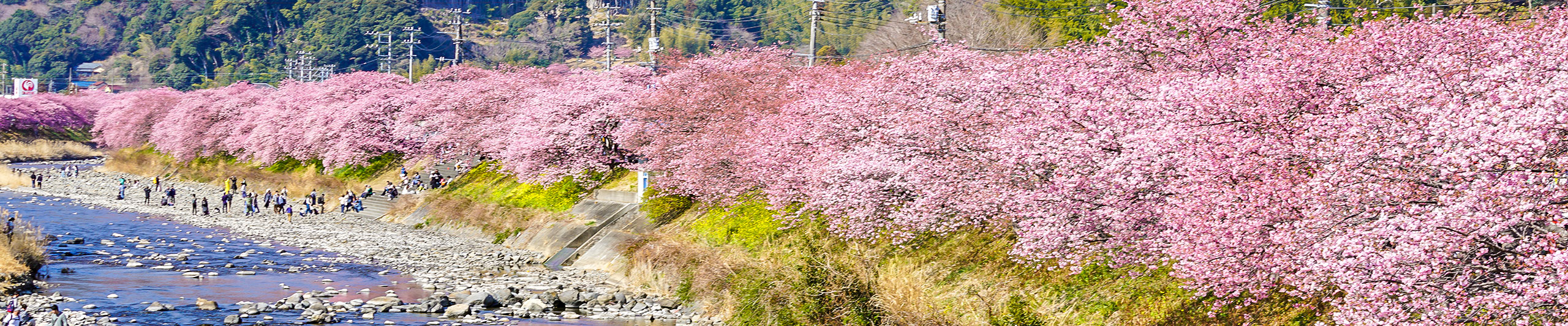
Seasonal Highlights1. In early March, Kawazu River are lined with early cherry blossoms and rape flowers. During late March through early April, a three-kilometer-long Sakura tunnel nearby the Izu-kogen Station and Sakura-no-Sato Park are both top spots to admire Sakura. From mid- to late April, Komuroyama Park transforms into a sea of azaleas.
2. Black Ship Festival takes place on the third Friday to Sunday of May, when you have a chance to enjoy a joint parade by American and Japanese soldiers, a firework display and music performances.
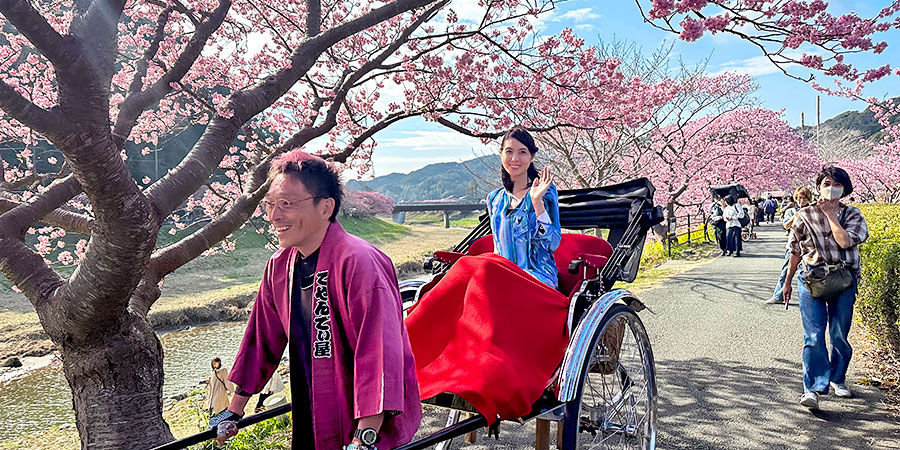
Experience a Rickshaw
|
Lush Summer: June to August
WeatherJune in Izu is not very hot: day temperatures are around 25-30°C (77-86℉); after sunset, the temperature falls by 7°C (13℉), roughly to 15-25°C (59-77℉). In July and August, maximum temperatures rarely drop below 30°C (86℉), and in extreme cases, even climb to 35°C (95℉). However, early mornings and evenings remain pleasant, with temperatures staying around 25°C (77℉).
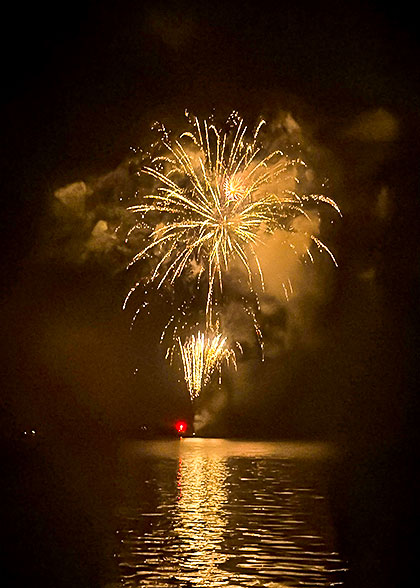
Beautiful Fireworks on the Sea
|
Things You Need to PrepareOutfits: Pack breathable, quick-drying clothes, including cotton-or-linen short sleeve shirts or tank tops and shorts or skirts. Air-conditioned indoor places are quite cool, so you’d better prepare a thin long-sleeved shirt. Shoes should be well-fitting, waterproof and non-slip.
Accessories: Sun hats, sunglasses and sunscreen are necessities. A parasol is very useful both in rainy and sunny days. To prevent sunstroke, bring a portable mini fan and regularly drink water.
Travel Recommendations & Advice1. The seawater temperature averages 24-26°C (75-79℉) in July and August, and the officially recognized swimming season is mid-July to late August, which means there are on-duty lifeguards to protect your safety. Thus, these two months are favorable for all water sports, and recommended destinations are Shirahama Ohama Beach, Yumigahama Beach and Tatadohama Beach.
2. Summer is a great time for fireworks lovers. Atami hosts 5-6 displays with 5,000 fireworks each at 20:15-20:40: 1-2 in late July and 4 in August. At 20:00-21:00 on August 10, the sky is aglow with nearly 1,0000 fireworks during the Sea Fireworks Festival of Anjin Festival.
3. In June, no one can resist the beauty of hydrangea at Shimoda Park, which also provides the panorama of Shimoda Port and cityscapes.
4. In case of rain, move to indoor attractions, like MOA Museum of Art, Numazu Deep Sea Aquarium, Kawana Stained Glass Museum, and Izu Teddy Bear Museum.
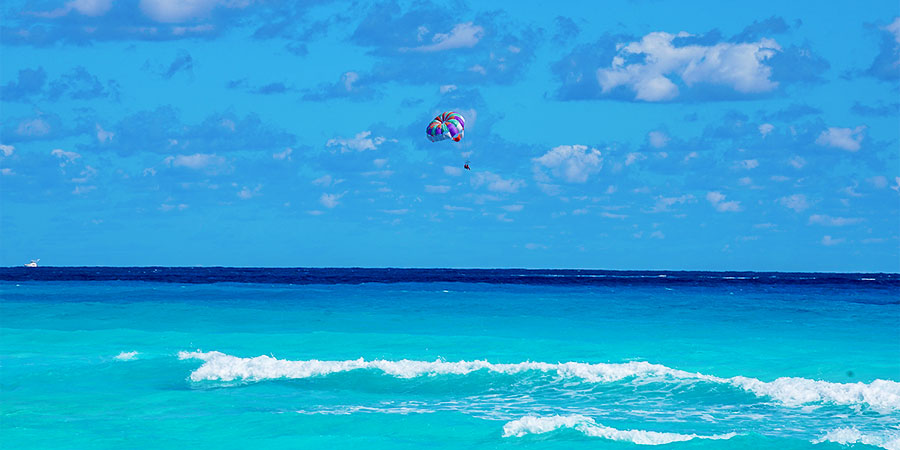
Izu Blue Ocean
|
Colorful Autumn: September to November
WeatherThe summer heat lingers till mid-September. In other words, over 20 days in September see high temperatures of over 30°C (86℉), while even the lows stay around 25°C (77℉). Then, it turns cooler and cooler: highs drop to 15-20°C (59-68℉) by late November and lows to 5-10°C (41-50℉). As time progresses, the daily temperature variation gets larger, usually exceeding 10°C (50℉) in November.
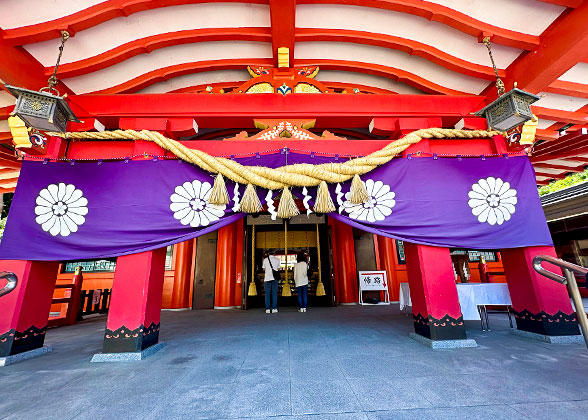
Atami Kinomiya Shrine
|
What to WearIn September, short-sleeved shirts and shorts still work well; with the UV index of 8, prepare sun-protective items. Long sleeve shirts or hoodies, cardigans and jeans are more suitable in October. In the first half of November, outfits in October may be acceptable; but during the rest of the month, pack thicker outerwear like padded coats or 3-in-1 jackets.
Must-do Activities & Suggestions1. Admire autumn leaves: You’re advised to appreciate colorful fall foliage at the following places: Atami Plum Garden and Shuzenji Temple both in mid-November to early December, as well as Kawazu Seven Waterfalls during late November through early December.
2. Savor seasonal seafood: Ise Lobster Festival is held from early October to November, when you can eat this top-class seafood with chewy texture and sweet taste.
3. If your trip to Izu in 2026 falls during the peak period of typhoons - September, book a hotel with entertainment facilities and hot springs. This way, you won’t feel bored if unluckily trapped in the hotel by typhoon.
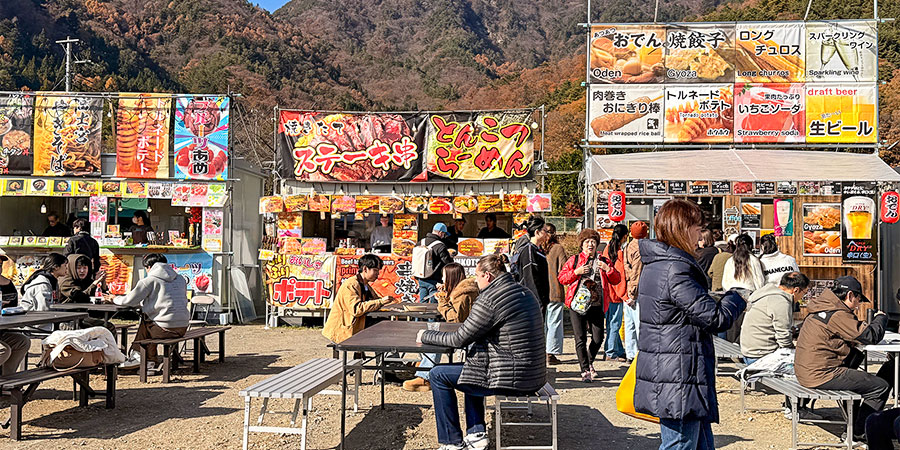
Autumn Foliage Season
|
Winter: December to February
WeatherIn the first days of December, highs are mostly over 15°C (59℉), and lows usually exceed 5°C (41℉). In the rest time of the winter, the air is thick with chill: maximum temperatures often range from 10-15°C (50-59℉), while minimum ones fluctuate between 0-5°C (32-41℉). You experience a significant temperature swing between day and night, reaching 14°C (57℉) at most.
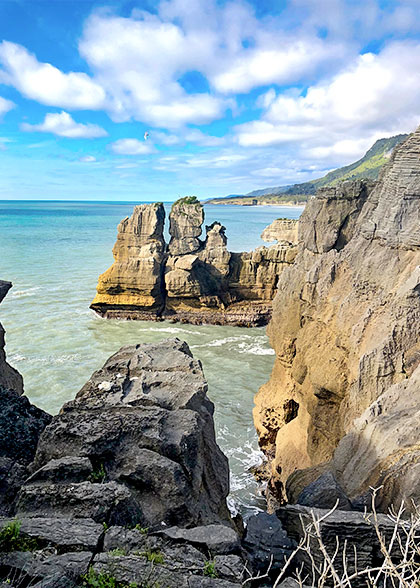
Stunning Sea View
|
Clothing GuidelineGood indoor heating creates a huge temperature gap between indoors and outdoors, so layered dressing is a wise decision. Wear a sweater or fleece hoodie, topped with a down jacket. For your lower body, thick pants and hiking shoes are advised. Plus, light raincoats, beanies and scarves are also necessary.
Travel Highlights1. Kawazu cherry blossoms at Kinomiya Shrine or along the Aono River start to flower from early or mid-February, Atami cherry blossoms along the Itokawa Promenade from late January or early February; also, it is worthy to appreciat plum blossoms at Atami Plum Garden in mid-January - early March, and daffodils at Cape Tsumekizaki Natural Park in late December - January.
2. On chilly days, you can warm up at Atami Onsen or Inatori Onsen while appreciating spectacular ocean views.