

Shizuoka Weather
Situated between Tokyo and Osaka on the Pacific coast, Shizuoka overall enjoys a mild maritime climate, with rich precipitation and no extreme cold. Except for the mountainous areas, Shizuoka rarely sees snowfall. Early June to mid-July is the rainy season, and September is the peak period of typhoons.
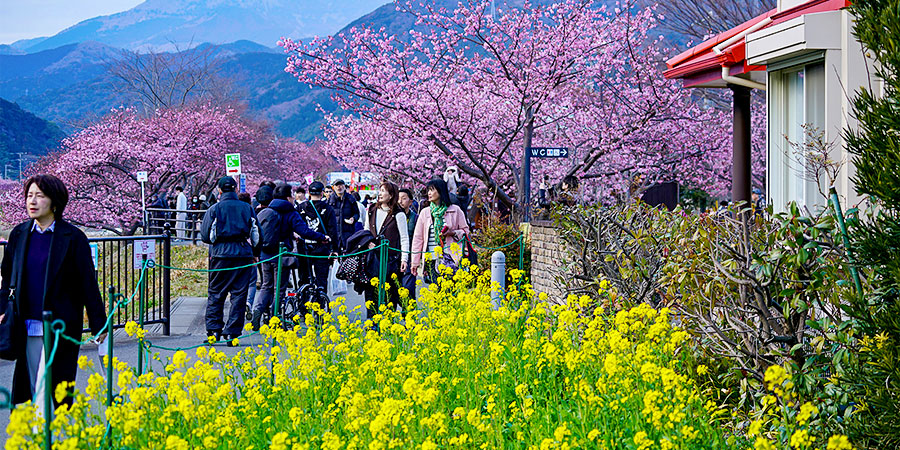
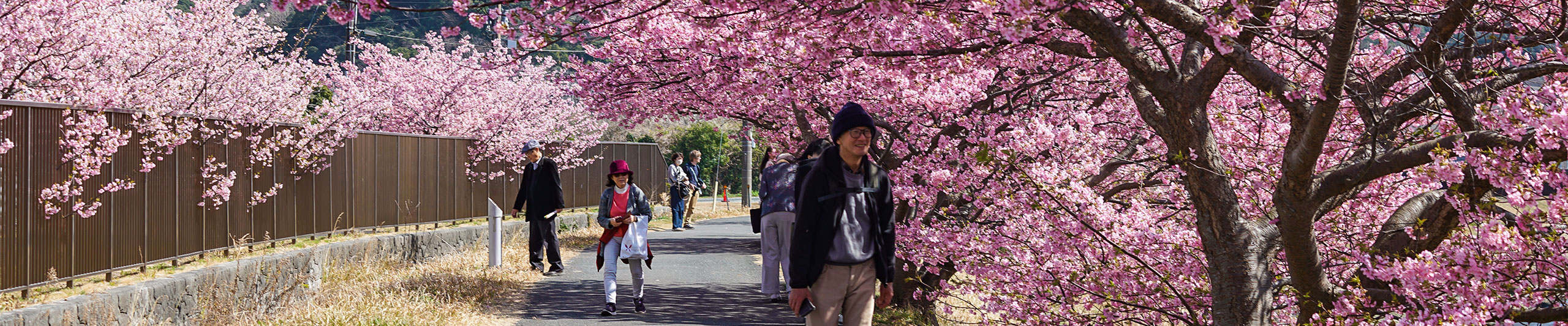
Kawazu Sakura, Rape Flowers
|
Temperature
Here are three distinct characteristics:
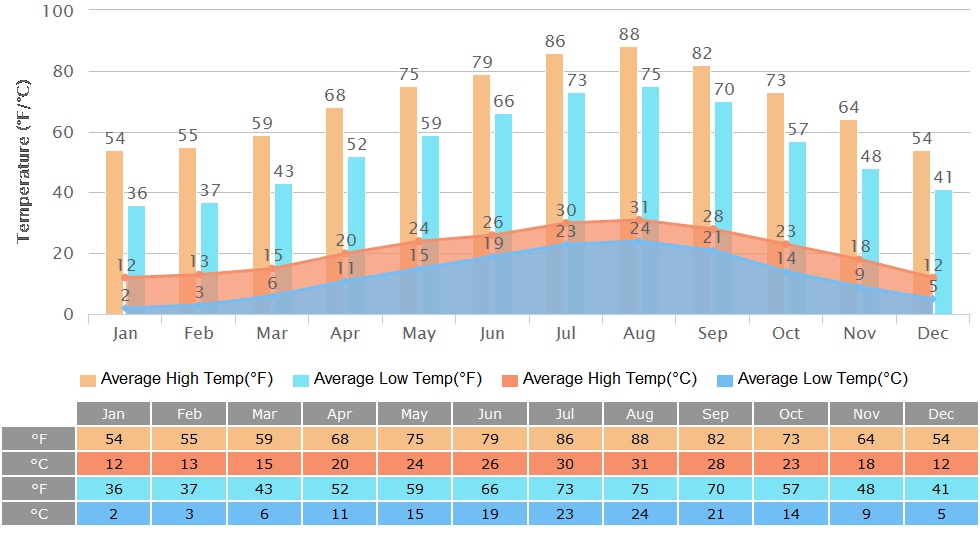
1. Wide year-round temperature span: the highest temperature can reach over 35℃ (95℉) in the hottest month August, while the lowest one drops to around 0℃ (32℉) in the chilliest month January.
2. Huge day-night temperature gap: It’s approximately 10℃ (50℉) on most days. In winter, it can reach as high as 12-14 degrees Celsius (54-57 degrees Fahrenheit).
3. Obvious Regional Variation: Temperatures in coastal areas like Izu tend to be higher than those in the mountains. Take winter as an example: the former rarely experiences severe cold weather, with the lows above -2℃ (28℉); whereas the latter such as the area around Mount Fuji declines to -7℃ (19℉).
Precipitation
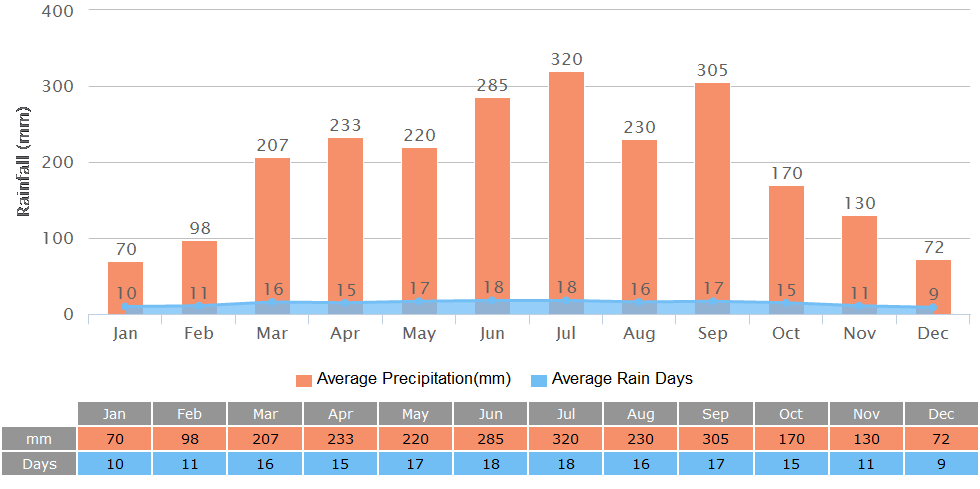
Shizuoka has abundant precipitation, totaling 2,300 mm (90.6 in) or more annually on average, ranking it among the rainiest regions in Japan. The rainy season normally lasts from early June to mid-July, but in some years, it may be postponed by 10 days or so. During this time, light rain is seen most often, followed by moderate rain. Though heavy downpours occur only a few times, their impact shouldn’t be underestimated, because data from the past a few years indicate that the maximum daily rainfall reached more than 120 mm (4.7 in).Unsurprisingly, summer sees the highest precipitation over the year - accounting for nearly half of the annual total. July is the rainiest, receiving 320 mm (12.6 in) from 18 rainy days. By contrast, winter is the driest season with monthly rainfall under 100 mm (3.9 in).
It rarely snows in the Izu Peninsula and plain areas such as Shizuoka City and Hamamatsu City, let alone snow cover. But snowfall can be expected in the northern mountains and around Mount Fuji.
When does snow start forming on Mount Fuji?
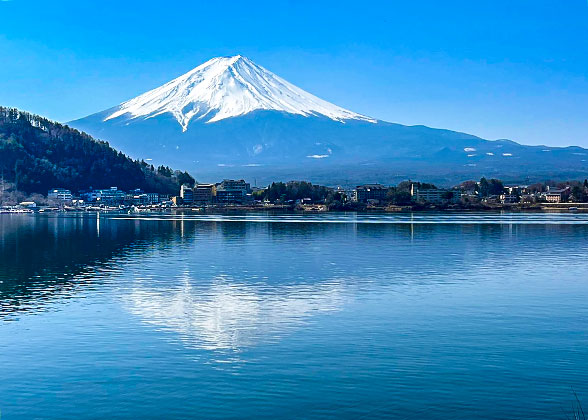
Mount Fuji sees its first snow in October or early November which may be earlier or later in different years. However, it doesn’t last long due to insufficiently cold temperatures. To guarantee you can see the snowcapped Mount Fuji, the most reliable time is late November to early May. But late November to February is the best time, as low rainfall and thin clouds make it easier to clearly admire its beauty of Mount Fuji.

Humidity
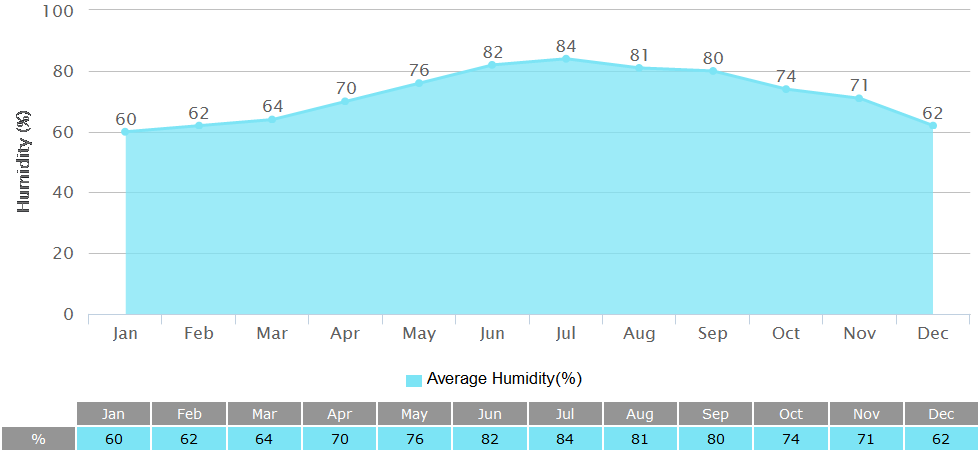
Ranging from 60% to 84%, the humidity in Shizuoka shows an obvious seasonal difference. Summer is pretty humid, and combined with high temperatures, people often feel muggy. Winter has the lowest humidity of around 60%, with dry and chilly air.
Humidity Graph of Shizuoka
Typhoon
Shizuoka is one of the areas in Japan influenced by typhoon. Its typhoon season mostly runs from July to October, among which September is the most vulnerable month with an average of 1.2 typhoons approaching. In 2025, Typhoon 15 on September 5 brought strong winds and heavy downpours, and even floods to most severely hit areas; it also led to traffic paralysis and tore down houses. Thus, focus on typhoon warnings if you will travel there during these four months in 2026.
Best Time to Visit Shizuoka
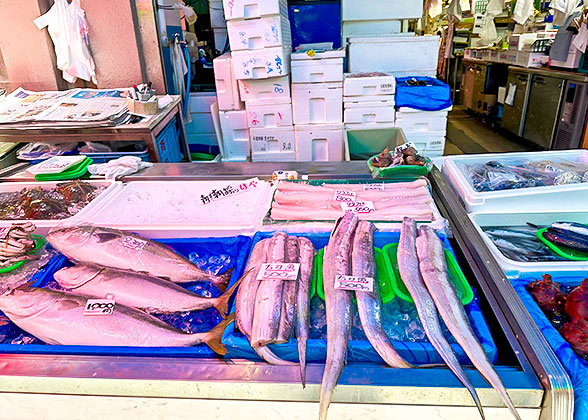
Shizuoka Fresh Seafood
|
Besides, as mentioned above, late November to February is the optimal window to see the snowcapped Mt. Fuji, while early July to early September is the best time to climb it. July and August, although hot, are the best time for beautiful fireworks and water sports.
 See more about Izu Peninsula Weather & Best Time to Visit Izu Peninsula
Shizuoka Climate - Seasons, Clothing, Travel Advice
Warm Spring: March to May
Weather: The climate in Shizuoka is getting warmer and warmer: the temperature ranges from 5-20℃ (41-68℉) in early March, while 15-25℃ (59-77℉) by late May. As the transitional period from winter to spring, March’s temperature fluctuations are more significant than those of the other two months. Spring brings moderate and frequent rainfall, mostly light showers.Clothes: March still has some cold periods, so consider thin sweaters, lightweight down jackets and trousers. In April, hoodies or long-sleeve shirts, trench coats and jeans work well for your daily outing. Short-sleeve shirts and thin slacks are better choices in May, and prepare a light jacket to deal with temperature changes.March still has some cold periods, so consider thin sweaters, lightweight down jackets and jeans. In April, hoodies or long-sleeve shirts, trench coats and sweatpants work well for your daily outings. Short-sleeve shirts and thin slacks are better choices in May, and prepare a light jacket to deal with temperature changes.
Seasonal Highlights:
1. Shizuoka in Spring is a paradise for sakura lovers. In early March, visitors can see the beautiful cherry flowers along Kawazu River. And from late March to early April, Sumpu Castle Park, Hamamatsu Castle Park and Mishima Taisha Shrine transform into a pink kingdom.
2. Tea-leaf picking and tasting are must-do activities from late April to June, since new tea (the first harvest of the year) features a soft and fragrant flavor.
3. You’re advised to savor whitebait and sakura shrimp, both seasonal seafood of Shizuoka in spring.
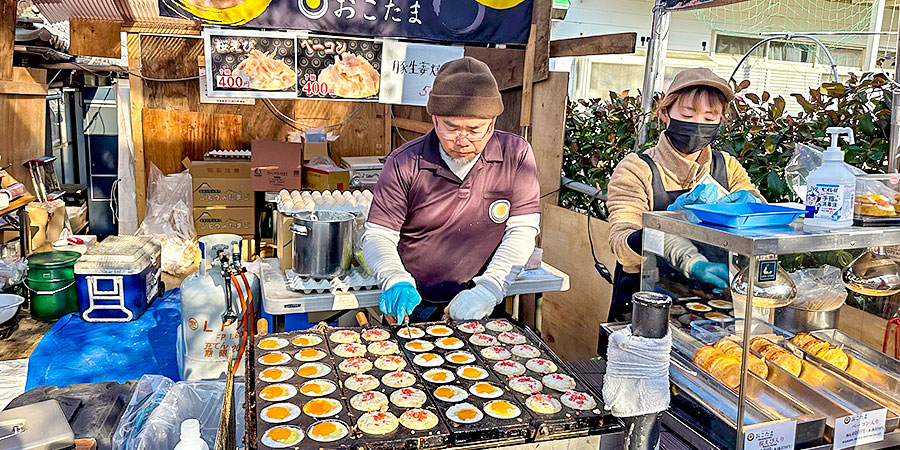
Food Stand in Sakura Season
|
Hot Summer: June to August
Weather: Summer in Shizuoka can be divided into two phrases: the rainy season from early June to mid-July. At this time, high temperatures easily exceed 30℃ (86℉), and even soar to 35℃ (95℉) or above. Plus, abundant rainfall brings higher humidity, so people often feel sultry. When the rainy season ends, it is not that humid and but hotter as temperatures keep rising, and you are more prone to get sunburnt with extremely intense UV rays.
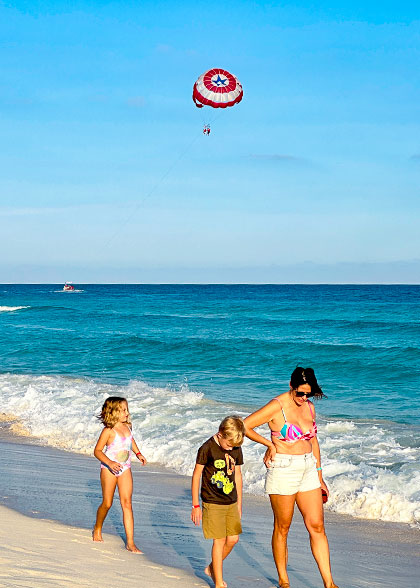
Shirahama Ohama Beach
|
Best Things to Do:
1. Climb Mount Fuji: The official climbing season for Mount Fuji is early July to early September, when you have a precious chance to appreciate its stunning landscapes up close.
2. Enjoy water sports: Warm seawater makes summer the most suitable period for water activities like snorkeling and surfing. Shirahama Ohama Beach, the largest one in the Izu area, boasts white sands and clear water. It opens from middle July to late August, with professional lifeguards standing by.
3. See fireworks displays: Although Atami hosts fireworks shows across the year, July and August have the most.
Cool Autumn: September to November
Weather: September still sees traces of summer heat, particularly in the early and middle of the month, when high temperatures often stay around 30℃ (86℉). Then, it gets cooler and cooler. By late November, the low can drop to roughly 5℃ (41℉). Of particular note is September’s typhoon situation. Autumn in Shizuoka is much less rainy than summer.Clothing: In September, summer clothes are still advised like short-sleeved shirts and shorts. Meanwhile, the UV index of 8 means sun protection is required, especially at the seaside. Wear long sleeve shirts or hoodies, cardigans and jeans in October. Later in November, bring heavier outerwear such as 3-in-1 jackets with a removable fleece liner. Don’t forget to pack comfy walking shoes, either.
Must-Do in Autumn - Fall Foliage Appreciation:
Because of complicated terrains in Shizuoka, the fall foliage time varies in different regions. Below are the best times of these must-visit spots:
1. Lake Kawaguchiko: Maple Corridor, one of its most popular sites, resembles a colorful painting during the whole November. After sunset, the illuminated maple trees create a dreamlike atmosphere.
2. Sumata Gorge: From mid-November to early December, it’s ablaze with red, golden and green leaves, drawing you into a wonderland. The 8-meter-high Bridge of Dreams is perfect for admiring the breathtaking scenes on both sides of the gorge.
3. Shuzenji Nature Park: Also, in mid-November to early December, as the largest red leaf forest with nearly 1,000 maple trees in Shizuoka, the park offers you a good opportunity to enjoy maple foliage of various postures.
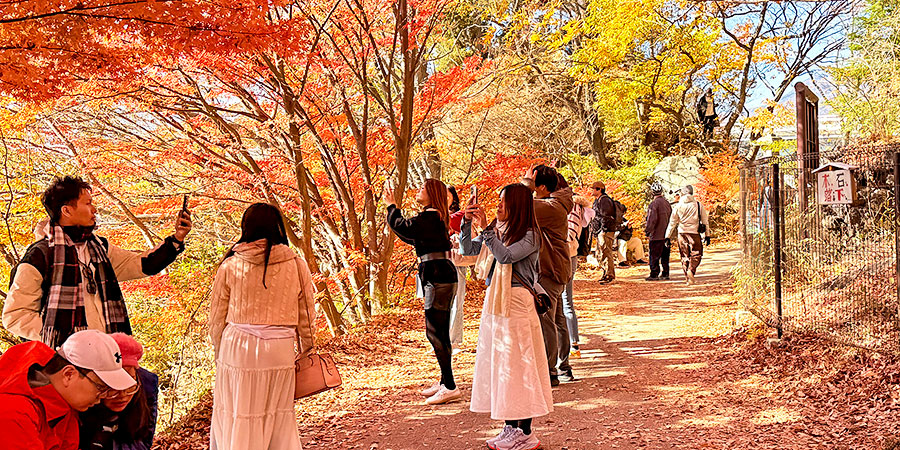
Colorful Autumn Foliage
|
Cold Winter: December to February
Weather: Though winter is the coldest season in Shizuoka, it isn’t extremely cold. High temperatures are around 10-20℃ (50-68℉), while lows range from 0-10℃ (32-50℉). This season enjoys rare rainfall and more sunny days. Coastal areas usually experience strong winds, so be sure to keep warm.Clothes: Wear a sweater under a down jacket, plus fleece-lined pants and hiking shoes. Winter accessories including beanies and scarves are necessary.
Travel Highlights:
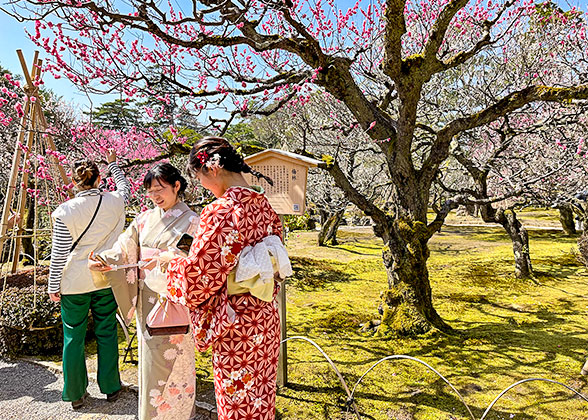
1. Starting from early or mid-February, Kawazu cherry flowers are in full bloom, and it’s also advisable to visit Itokawa Promenade to admire Atami cherry blossoms from late January to early February. Plus, Atami Plum Garden is decorated with plum flowers during mid-January through early March.
2. Why not choose a cold day to experience Atami Onsen? With a long history of over 1,000 years, it has been cherished by tourists at home and abroad.
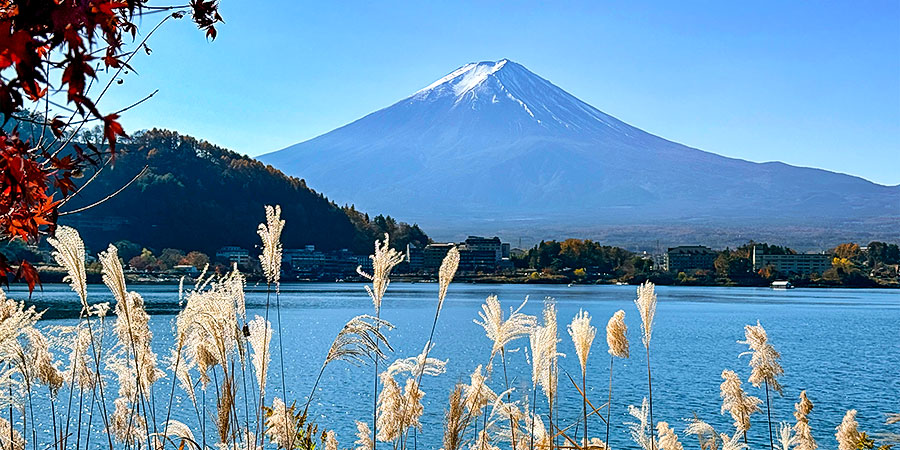
Mount Fuji's Snowcap
|