

Kyoto Weather
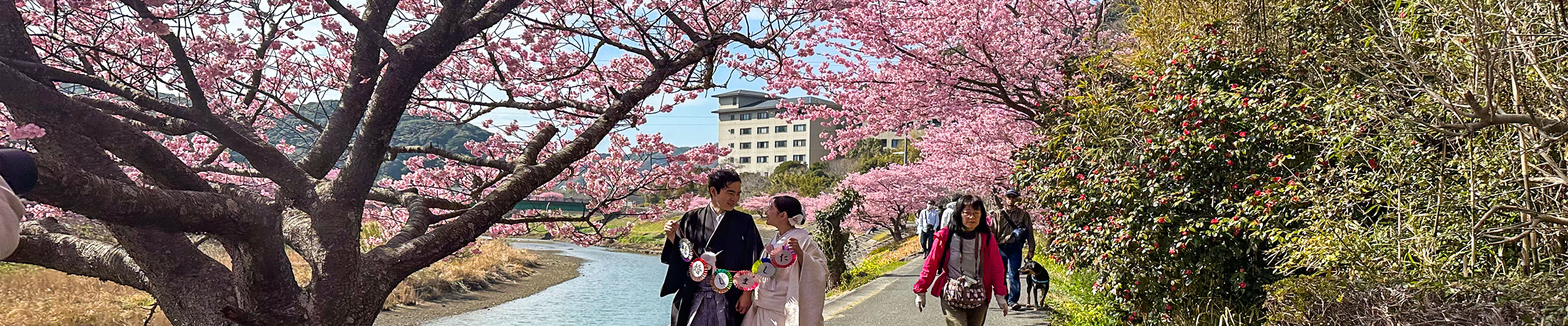
Located in the western part of Japan, Kyoto experiences a subtropical monsoon climate with four distinct seasons: pleasantly warm spring from March to May, hot and humid summer from June to August, comfortably cool autumn from September to November, and relatively dry and cold winter from December to February. The varying weather conditions contribute to distinctive natural scenery here: delicate cherry blossoms are in their full bloom from late-March to early-April, and fiery maple foliage is at its peak from mid-November to early-December.
Temperature
What is the Hottest Month in Kyoto?
August in summer is the hottest month in Kyoto, with the high temperature above 30°C (86°F) for about 25 days in the whole month. Such constant heat is mainly caused by the basin terrain of the city, which is surrounded by mountains on north, east, and west sides, and heat is likely to accumulate, making the weather scorching in the whole daytime.What is the Coldest Month in Kyoto?
Kyoto is in 10°C and below for most days in January, and the lowest temperature can be only -2°C (28°F). Just as the above mentioned, the terrain also makes it hard for the cold air to disperse out, so constant frigid days may appear this month.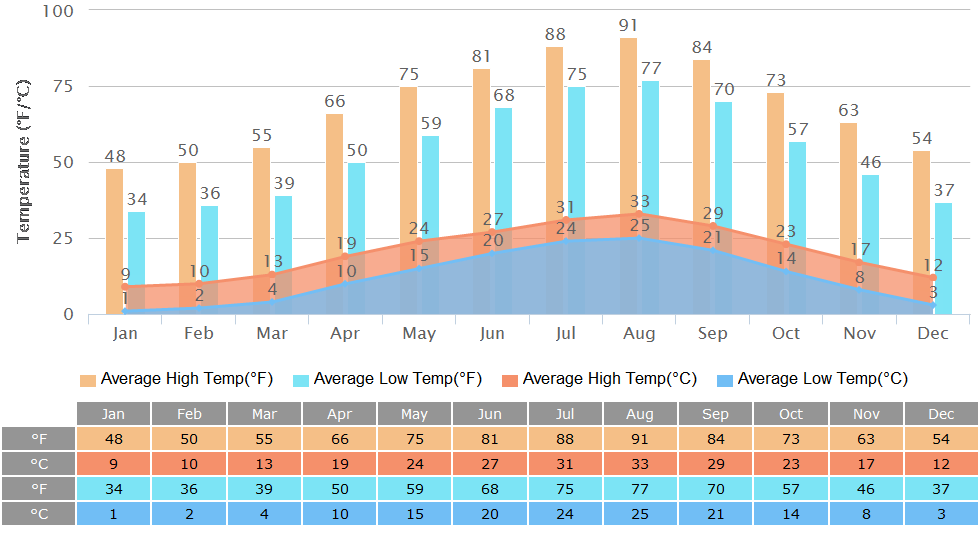
Precipitation
Under the impact of monsoons, seasonal differences also lie in precipitation of Kyoto, and the period from May to September features relatively high precipitation above about 150 mm for more than 10 rainy days per month. From early-June to mid-July, Kyoto is in its plum rain season featuring drizzles for constant days and occasional downpours.What is the Wettest Month in Kyoto?
July in the plum rain season is the wettest month in Kyoto, with the rainfall of 223 mm and 14 precipitation days. In this month, rain intensity can be quite high, and short-term thunderstorms can happen, perhaps interrupting your sightseeing plan.Does Kyoto Get Typhoon?
Yes, the typhoon season in Kyoto generally lasts from July to October, during which August and September constitute the relatively active period of typhoons. When the typhoon strikes the city, heavy rain and strong winds can both occur. After typhoon days, the weather is very likely to be clear.Does It Snow in Kyoto?
It does snow in Kyoto, but due to the obstruction of surrounding mountains to the northwest monsoon, total precipitation in winter is not high, thus the amount of snow being limited and times of snow basically being less than 5 each year. The temperature in winter is mostly above -2°C (28°F), so even though it snows, the accumulated snow on roofs and the ground usually melts on the day of or the day after the snowfall. But just because of this, snow scenes here are truly precious.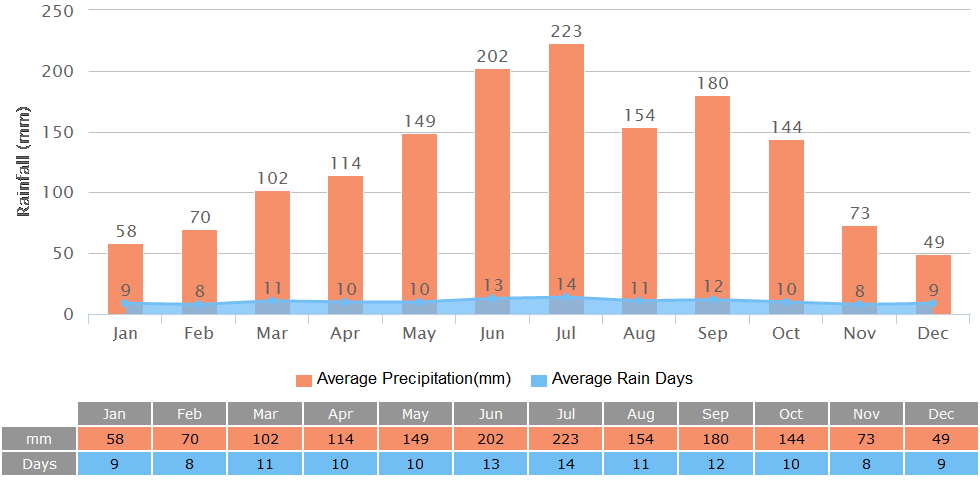
Sunrise, Sunset, & Length of Day
Sunrise Time: 04:42 - 07:05Sunset Time: 16:45 - 19:15
On around June 22, the daytime of Kyoto lasts for about 14.5 hours, which is the longest all year round. Afterward, it gets shorter with each passing day and is only 9 hours and 50 minutes long on around December 22.
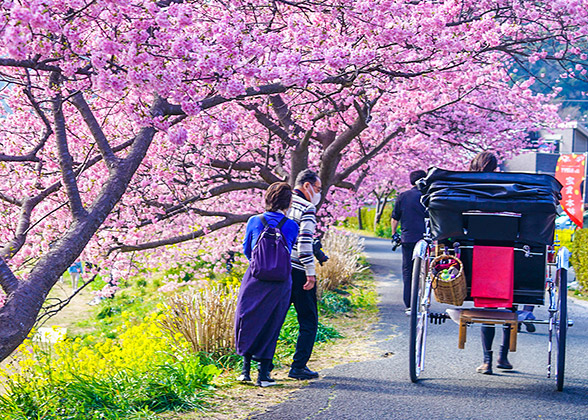
Cherry Blossoms in Kyoto
|
If you are interested in visiting Kyoto in 2026, then our Japan Tours 2026 & 2027 may be helpful.
• Read more: Best Time to Visit Japan & Japan Weather
Spring from March to May
Climate Overview
The weather of Kyoto in spring gets increasingly warm. In the daytime, the high temperature rises from 13 to 24°C (55 to 75°F) on average, bringing more pleasant weather. As for the weather at night, it’s a little frigid in early-March and moderate in April and May. There are no more than 11 rainy days each month, and rain usually comes in drizzles.
What to Pack
Clothes: A sweater, a thick jacket, long johns, jeans / thick long pants for early spring in March; in April and May, you can bring a knitted sweater, a trench coat, and casual pants / sweatpants.
Shoes: Sneakers or flats.
Others: Warm accessories in early spring. Bring masks if you are allergic to pollen or suffer from rhinitis.
Best Things to Do
1. View cherry blossoms in the Kiyomizu-dera Temple or the Arashiyama Scenic Spot. Besides, taking a walk on the Philosopher's Path to view rows of cherry trees on the canal bank can be truly enjoyable.
2. Visit the most iconic attraction in Kyoto – the Fushimi Inari Taisha, an ancient shrine with thousands of Torii gates.
3. Watch grand procession celebrating the Aoi Matsuri Festival, one of three main festivals in Kyoto.
• Read more: Cherry Blossom Season in Japan Best Places to See Sakura in Kyoto
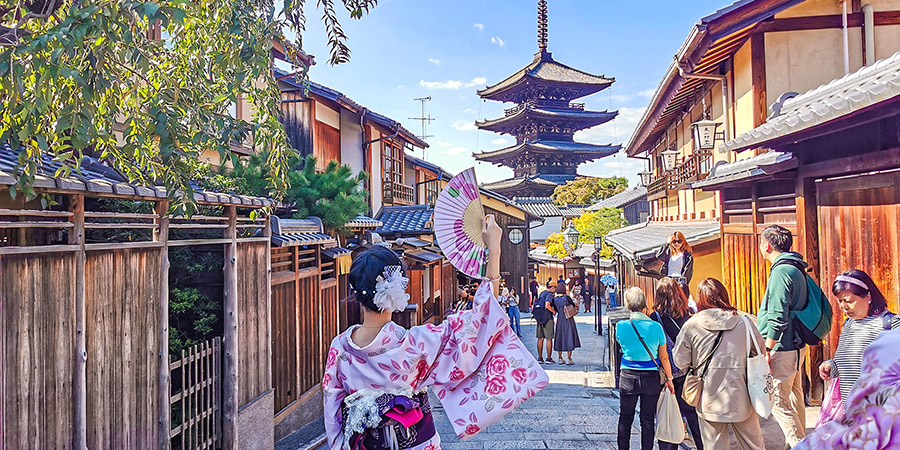
Ninenzaka & Sannenzaka in Spring
|
Summer from June to August
Climate Overview
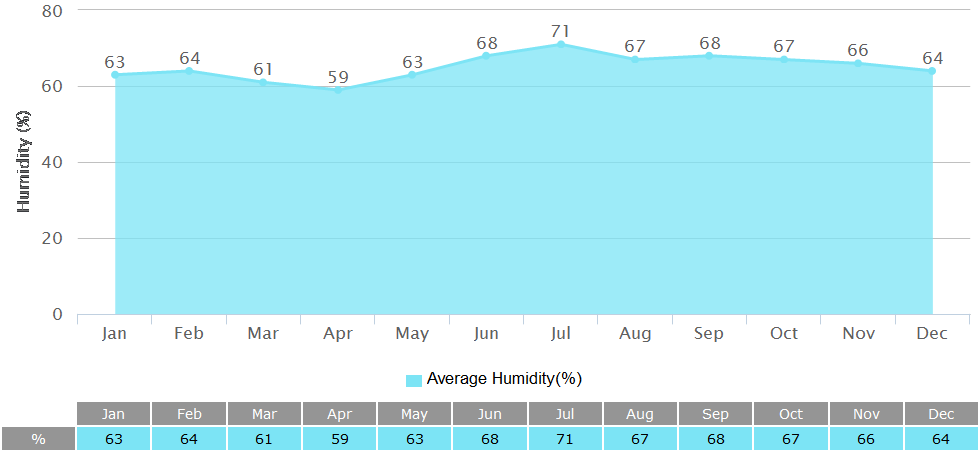
In summer, Kyoto may experience constant heat and rain. With the average high temperature from 27 to 33°C (81 to 91°F), the weather is hot and sometimes scorching. In high humidity around 70%, rich moisture in the air will make you feel stuffy. In recent years, the heat in 35°C (95°F) and above shows up more frequently in July and August. The city has constant rainy days in plum rainy season and may be hit by typhoons.
What to Pack
Clothes: Breathable summer outfits such as T-shirts, shorts, and dresses. Remember to pack light ones to prevent mosquito bites and bring more sets of clothes for timely changes.
Shoes: Lightweight sneakers, casual shoes, or sandals.
Others: A sun-protective jacket, high-SPF sunblock, mosquito repellent, a portable fan, and a foldable umbrella.
Best Things to Do
1. Watch the celebration ceremony of the Gion Matsuri Festival in Yasaka Shrine, which is illuminated and decorated by thousands of lanterns at night.
2. Wander around the Gion District to admire buildings in a traditional style, and you may encounter geishas on the Hanamikoji Street.
3. Enjoy the scenery in the Japanese rock garden in Ginkaku-ji Temple, which looks even more attractive on slightly rainy days.
Travel Tips:
1. After rain, road surfaces of sloping Ninenzaka and Sannenzaka may be slippery, so walk carefully to avoid falling.
2. Typhoons may cause temporary suspension of transportation, and your sightseeing schedules may be interrupted.
• Read more: Everything You Need to Know about Rainy Season in Japan
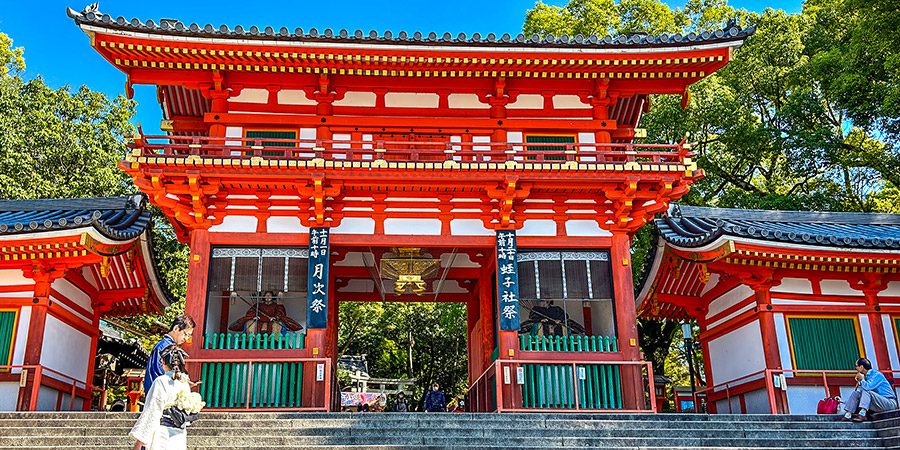
Kyoto Yasaka Shrine in Summer
|
Autumn from September to November
Climate Overview
In early September, it’s still hot with high temperature above 30°C (86°F), and typhoons probably hit the city. As time goes by, the climate gets sunnier, but with a relatively large temperature difference between day and night. Monthly precipitation decreases from 180 to 73 mm, and precipitation days are fewer from 12 to 8. By the end of autumn, you even feel a little dry when staying outdoors.
What to Pack
Clothes: Long-sleeved shirts and long casual pants. As autumn ends in late-November, suitable clothes comprise hoodies, thick jackets, and thick jeans / sweatpants.
Shoes: Flats and sneakers suitable for a long-time stroll.
Others: As the climate of Kyoto gradually gets drier in this season, a lotion helps to moisturize your skin. An umbrella is also requisite.
Best Things to Do
1. Enjoy the sunset and red foliage together in the Kiyomizu-dera Temple.
2. Join a boat ride on the Hozu River in the Arashiyama Scenic Spot and view maple forests in vibrant red colors on both banks.
3. Appreciate big celebration of the Jidai Matsuri Festival, in which people wear traditional clothes with characteristics of different eras.
• Read more: Japan Fall Foliage Forecast in 2026
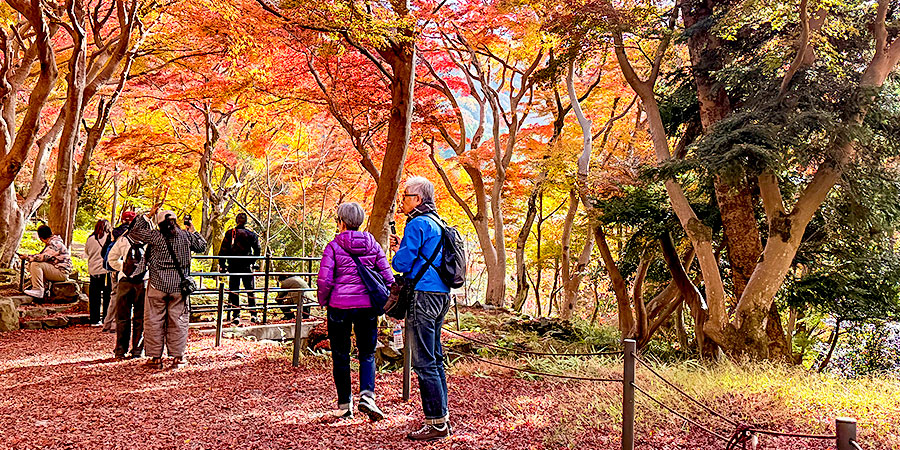
Red Foliage in Kyoto's Autumn
|
Winter from December to February
Climate Overview
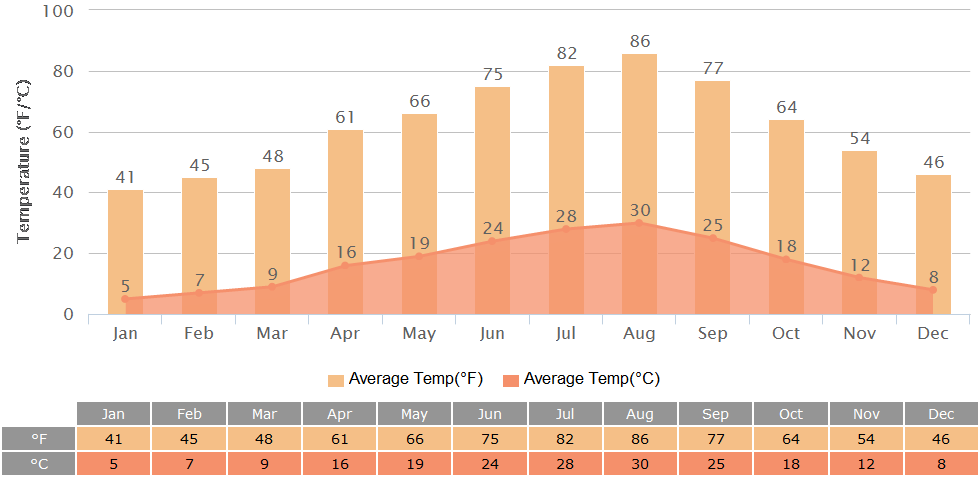
Low temperature and low precipitation are two features of the Kyoto weather in winter. The average temperature ranges from 5 to 8°C (41 to 46°F), and the weather is generally cold. Kyoto receives the least rainfall in this season, and sunny days account for more than two thirds each month. A small amount of snow may fall in this season. In downtown area, there are 2-3 snows, while it may occur 5-6 times in the mountain areas.
What to Pack
Clothes: For tops, bring underwear, a sweater, and an overcoat / a down jacket. For bottoms, thermal pants and thick outer pants are suggested.
Shoes: Non-slippery and also warm sneakers / boots.
Others: Warm accessories and a lotion.
Best Things to Do
1. Admire the snow-covered golden building in the Kinkaku-ji Temple in early morning.
2. Taste traditional Japanese snacks in the Nishiki Market.
3. Visit the Nijo Castle with a perfect combination of nature and architecture, to learn more about history of Japan.
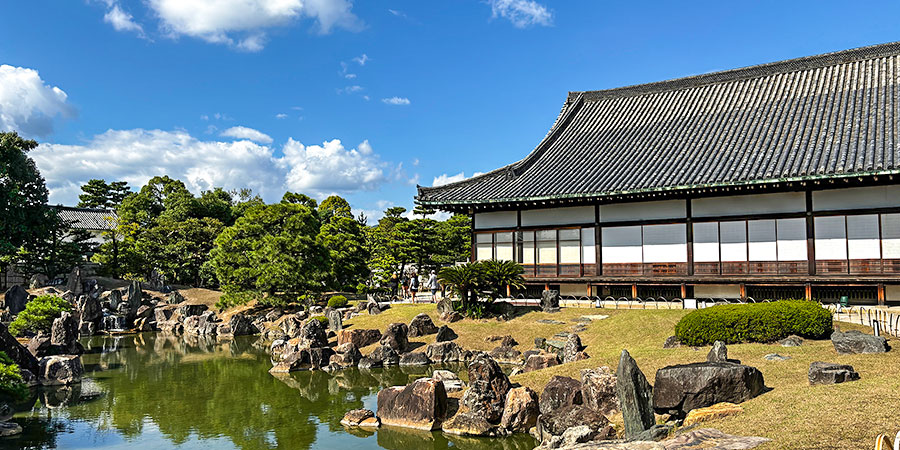
Nijo Castle in Winter of Kyoto
|
You May Like
-
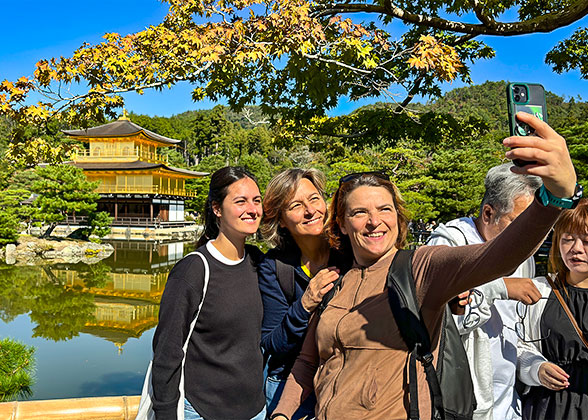 10 Days Mini Group Tour to Tokyo - Hakone & Mt. Fuji - Kyoto - Nara - Osaka - Hiroshima - Kanazawa - Shirakawa-go - Tokyo from USD3635
 -
 7 Days Mini Group Tour with Highlights in Japan: Tokyo - Mt. Fuji - Kyoto - Nara - Osaka from USD2204
 -
 13 Days Japan Private Tour of Tokyo - Kamakura - Tokyo - Mt. Fuji - Kyoto - Nara - Hiroshima - Osaka from USD4544