

Best Time to Visit Japan
What Is the Best Time to Visit Japan?
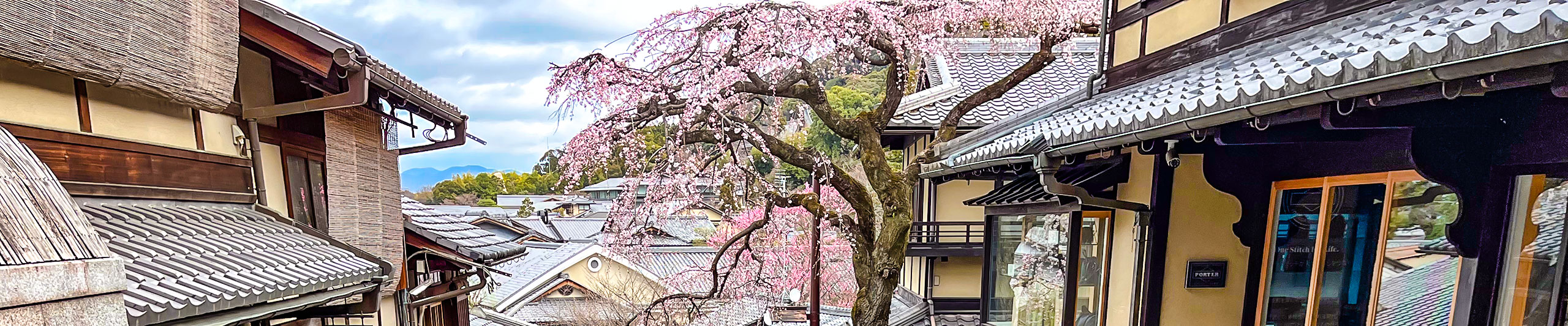
For most cities in Japan, March to April and October to November are the best times to visit. From March to April, Japan weather transitions from slightly chilly to relatively warm, with moderate precipitation, creating ideal conditions for outdoor sightseeing. More importantly, these months coincide with Japan’s cherry blossom season, where Sakura gradually blooms from south to north, transforming the country into a pink paradise. Another iconic Japanese sight, snow-capped Mount Fuji, is also visible during these months. From October to November, Japan enjoys cool temperatures and low rainfall, also favorable for hiking and other outdoor activities. This period also has Japan’s well-welcomed landscape: vibrant foliage, drawing large numbers of visitors from both domestic and international destinations.
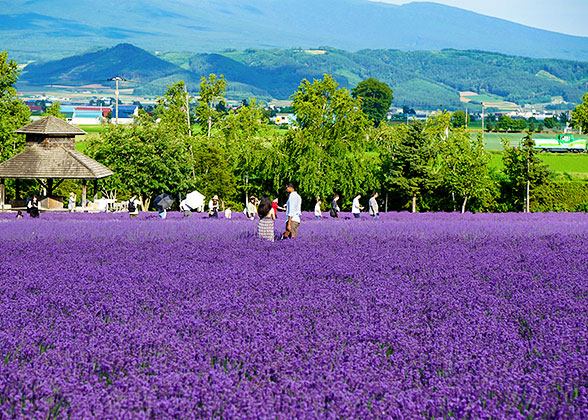
However, due to Japan’s extensive latitudinal span, weather and scenery can vary significantly across regions during the same timeframe. For instance, Hokkaido’s weather conditions differ significantly from most other cities, and the best times to visit Hokkaido are July-August and December-March. While other regions endure summer heat, Hokkaido enjoys warm and comfortable temperatures and colorful and various blooms during July and August. December through March is prime time for experiencing Hokkaido’s snowy landscapes, engaging in winter sports, and immersing in snow festivals.
|
|
|
Peak Season & Slack Season
Peak Season
Japan’s peak travel seasons primarily fall into three periods: mid-March to early May, July to August, and October to November, when you will feel crowded in most cities and spend more.
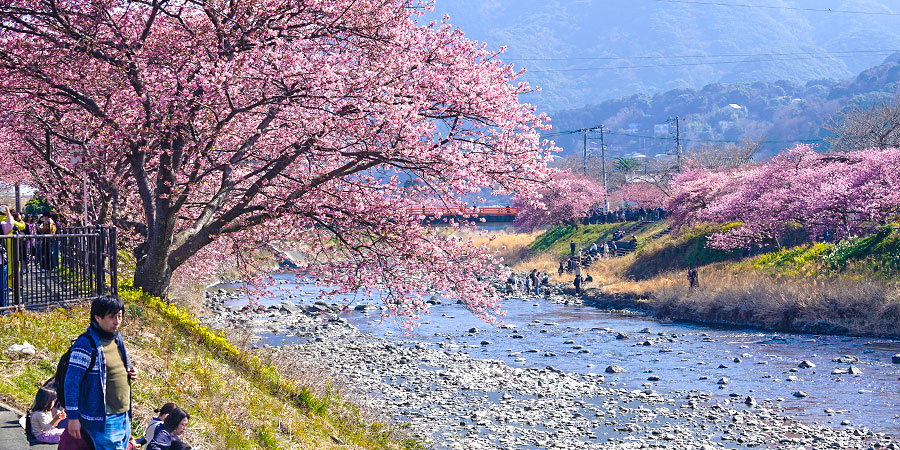
Peak Season with Crowded Visitors
|
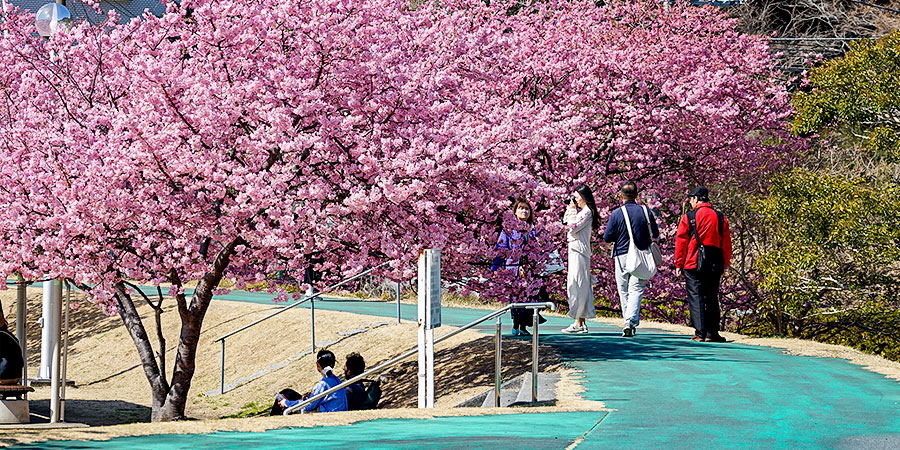
Mid-March to April and October to November see the highest tourist numbers of the year since they are the times when Japan is full of cherry blossoms and red leaves, respectively.
As for early May, it is the time of Japan’s “Golden Week”, when locals enjoy an extended holiday break spanning four consecutive public holidays.
In July and August, Japan is full of tourists who come to enjoy their summer vacations. These two months also mark the time when fireworks festivals and summer festivals are held across the country. So, despite their hot weather and frequent rain, they still belong to the peak season.

Slack Season
Early March, mid-May to June, September, and December to February are Japan’s off-peak seasons, when you can undoubtedly have a quieter travel experience without worrying about queues at attractions or restaurants, and can book your preferred hotels and flights at lower prices.
Early March is generally quiet since there are not many cherry blossoms to admire.
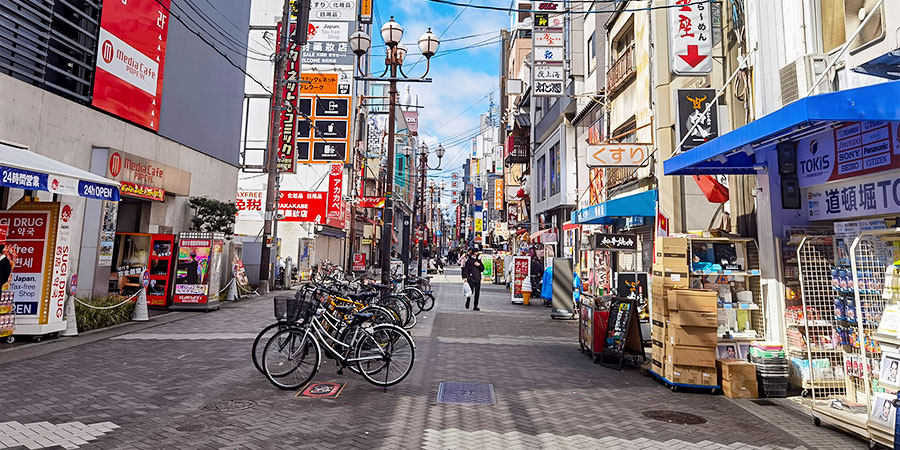
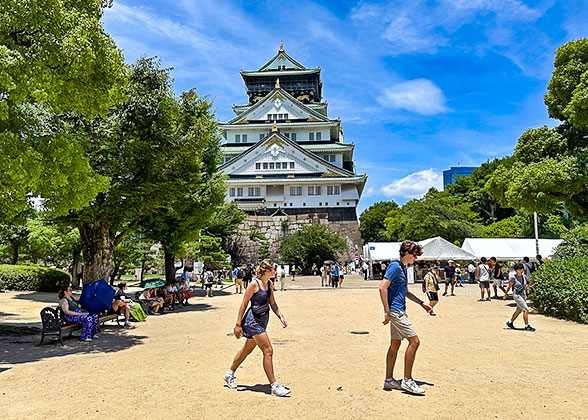
Quiet Osaka in Slack Season
|
Although the second half of May has relatively good climate with warm temperatures and not much rain, it doesn’t see many tourists in Japan. This is because the massive flow of domestic tourists has subsided after the end of the recent Golden Week holiday, while the number of international visitors has decreased with the end of the cherry blossom season.
In June and September, Japan weather is generally unfavorable. In June, most regions in Japan are in the rainy season and experience frequent rainfall. As temperatures rise, the weather becomes increasingly muggy. September marks peak typhoon season, on the other hand, bringing highly unstable weather. Besides, both periods lack Japan’s signature sights: cherry blossoms, autumn foliage, and snow-capped Mount Fuji, and have no long public holidays.
From December to February, Japan sees relatively fewer tourists due to the cold weather and somewhat bleak scenery. However, note the following: (1) Hokkaido is at its peak for snowy landscapes during this period, attracting significantly more visitors than other regions and resulting in higher travel costs. (2) Tourist numbers increase in Japan from Christmas Day at the end of December to the New Year at the beginning of January.
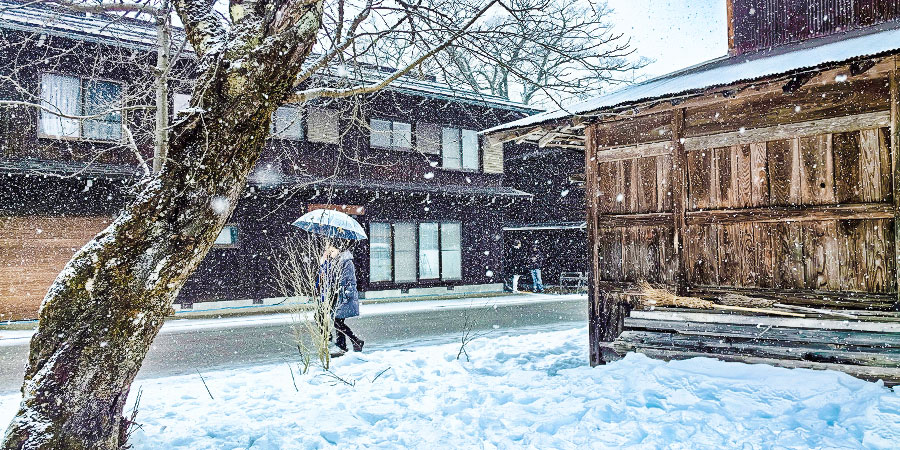
Snowy Hokkaido in Winter
|
Japan Travel by Month
| Month | Highlights | Weather | Crowding Level |
| January |
Snow Scenery and Activities; Mount Fuji with Snow Cover; New Year; Onsen |
Cold; Sunny Most Regions but Snowy Hokkaido |
3 |
| February |
Sapporo Snow Festivals; Snow Scenery and Activities; Mount Fuji with Snow Cover; Cherry Blossoms in Okinawa; Onsen |
Cold; Sunny Most Regions but Snowy Hokkaido |
3 |
| March |
Large Scale of Cherry Blossoms; Mount Fuji with Snow Cover; Snowy Hokkaido in Early March |
Turing Warm Overall; Both Rain and Snow Exist |
First Half: 4 Second Half: 6 |
| April |
Large Scale of Cherry Blossoms; Mount Fuji with the Largest Snow-covered Area |
Warm Overall; Relatively Sunny |
6 |
| May |
Cherry Blooms in Hokkaido; Tokyo’s Sanja Matsuri; Kyoto’s Aoi Matsuri Festivals |
Warm; Rainy Southern Regions and Sunny Other Regions |
First Half: 6 Second Half: 4 |
| June |
Colorful Flowers in Hokkaido; A Few Summer Festivals like Yosakoi Soran Festival; Hydrangeas |
A Bit Hot; Rainy Season |
3 |
| July |
Fireworks Festivals; Summer Festivals like Gion Matsuri in Kyoto; Mount Fuji Climbing; Lavender in Hokkaido |
Quite Hot; Rainy Season; Occasional Typhoons |
5 |
| August |
Fireworks Festivals; Summer Festivals like the Aomori Nebuta Festival; Mount Fuji Climbing |
Extremely Hot; Peak Typhoon Season |
Middle Month: 6 Other Times: 5 |
| September |
Fall Foliage in High-Elevation Areas in Hokkaido; Osaka’s Kishiwada Danjiri Festival; A Few Fireworks Festivals; Sumo Wrestling Matches in Tokyo |
From Hot to Cool; Peak Typhoon Season |
4 |
| October |
Large Scale of Fall Foliage; Autumn Festivals like Takayama Autumn Festival; Onsen |
Warm or Cool; End of Typhoon Season |
6 |
| November |
Large Scale of Fall Foliage; Mount Fuji with Snow Cover |
Cool and Sunny Most Regions; Chilly and Snowy Hokkaido |
6 |
| December |
Snow Scenery and Activities; Mount Fuji with Snow Cover; Fall Foliage in Early December; Christmas Events; New Year’s Eve Celebrations; Onsen |
Cold; Sunny Most Regions but Snowy Hokkaido |
4 |
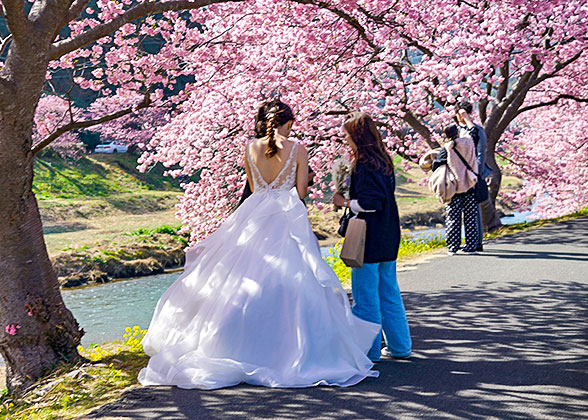
What Is the Best Time for Cherry Blossoms in Japan?
For most tourists, late March to early April is the best time to see cherry blossoms in Japan. During this period, cherry blossoms are in full bloom in most parts of Japan, including must-visit cities like Tokyo, Kyoto, and Osaka. Moreover, many regions host cherry blossom festivals where you may have a chance to experience illuminated blossoms at night, sample cherry blossom-themed foods, and enjoy traditional performances.
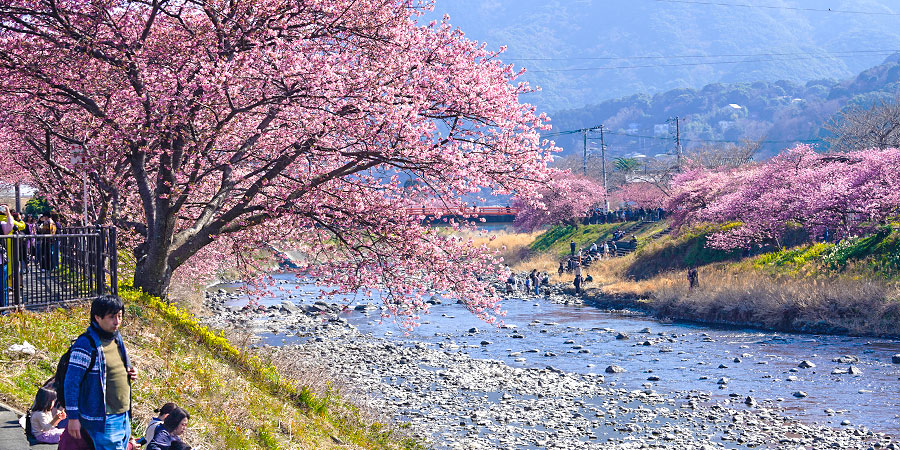
Cherry Blossoms in Peak Season
|
Tips:
1. Indeed, you are likely to see cherry blossoms anytime you visit Japan in March or April. However, except for the peak period from late March to early April, you may only catch glimpses of these lovely pink blooms in some specific areas.2. For visitors who dislike crowds and prefer to enjoy cherry blossoms in a quieter setting, you can choose to visit Okinawa and the Izu Peninsula in early February, or Hokkaido in late April to early May.
 See Also: Japan Cherry Blossom Dates Forecast 2026
What Is the Best Time for Red Leaves in Japan?
If you wish to see autumn leaves in Japan, the most recommended time is November. At this time, most of Japan’s areas offer views of red leaves: areas in the north, such as Hokkaido, are at the final phase of autumn leaves viewing; the central regions, including Tokyo, Kyoto, and areas around Mount Fuji, reach their prime viewing period for red leaves; and areas in the south, like Fukuoka, begin to see fall foliage.
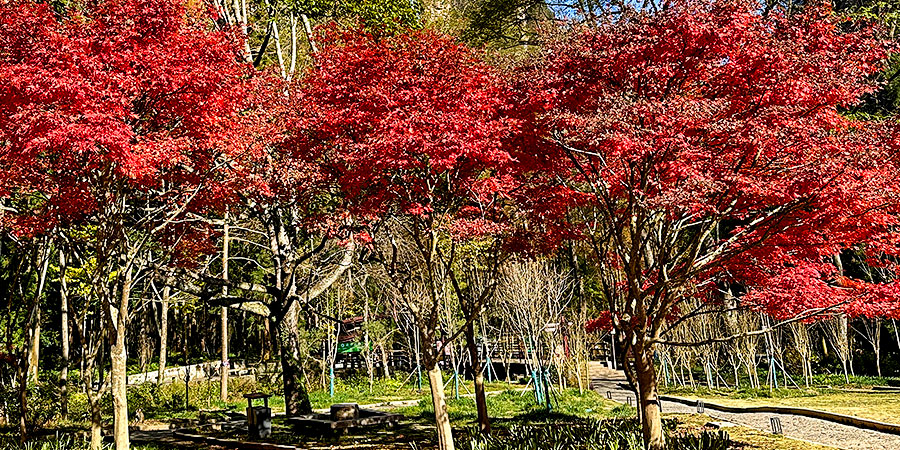
Red Leaves Viewing in Kyoto
|
Nationwide, the fall foliage season runs from September to December, with slight variations of 3-7 days forward or backward depending on the year’s temperature fluctuations. Specifically, in northern areas, leaves start turning red from late September and last until early November; in the central areas, the autumn leaves can be seen from mid-November to early December; in southern regions, the viewing period for autumn leaves is from late November to mid-December.
See Also: Japan Fall Foliage Forecast in 2026
What Is the Best Time for Mt. Fuji in Japan?
For Snowcapped Mount Fuji: December to February
It’s true that Mt. Fuji usually gets its first snowfall in November and starts to have snow cover, which won’t melt until around the end of May the next year. However, this does not mean that a view of snow-capped Mount Fuji can be seen for certain during this period - visibility of the mountain is highly dependent on weather conditions, with only one-third of the time per year offering clear views. Generally, December through February brings the clearest skies and highest visibility of the year, making it the best time to visit Mount Fuji blanketed in snow.You may also want to know that you might be able to catch both Mount Fuji and the autumn leaves in a photo in November, and both Mount Fuji and the cherry blossoms in April.
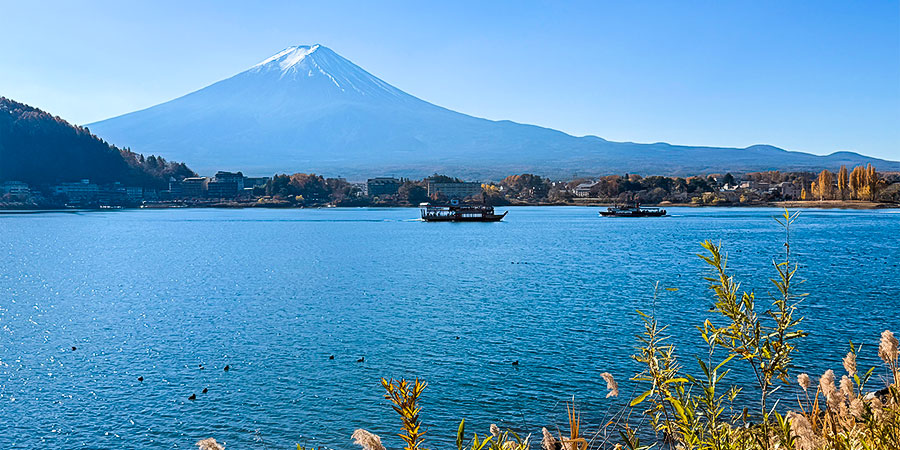
Mt. Fuji in December
|
For Mount Fuji Climbing: July to Early September
Mount Fuji typically opens for climbing from July to early September each year. During this period, the mountain has the least snow accumulation and relatively stable weather, making it the safest time for climbing.-
 Best Time to Visit Tokyo
-
Best Time to Visit Kyoto
-
Best Time to Visit Osaka
-
Best Time to Visit Hakone
-
Best Time to Visit Nagano
-
Best Time to Visit Nagasaki
-
Best Time to Visit Mt. Fuji
Time to Avoid Visiting Japan
Overall, each season in Japan has scenery and activities that attract tourists, such as cherry blossoms in spring, summer festivals and fireworks in summer, red leaves in autumn, and snowy landscapes in winter. However, for a better travel experience, you may want to avoid the following periods with terrible weather conditions and large crowds.
Times with Bad Weather Conditions in Japan
1. Rainy Season from June to July: During this period, most parts of Japan experience frequent rainfall. On the one hand, this inevitably makes outdoor traveling inconvenient. On the other hand, some attractions are far less beautiful in the rain than on sunny days.
2. Peak Typhoon Season from August to September: This is a period when Japan experiences highly unstable weather. Traveling to Japan during this time, you might be lucky and not encounter any typhoons. However, you are also highly likely to encounter a typhoon and face flight delays or cancellations and attraction closures. Additionally, most parts of Japan are extremely hot in August.
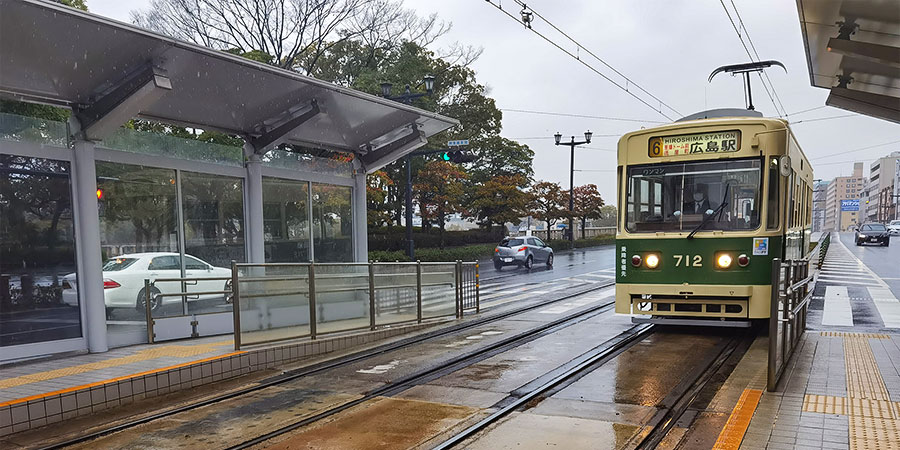
Gloomy Riany Season
|
Notes: Hokkaido is still a good place to visit during these periods, since it has no rainy season and is hardly influenced by typhoons. Tips: If you only have time during these periods or if events like summer festivals and fireworks displays during these periods interest you, you are recommended to check the weather forecast both before departure and throughout your trip. Should severe weather conditions arise, promptly adjust your travel schedule or change your destinations. For this reason, booking hotels with flexible cancellation policies may be crucial.
Times with Large Numbers of Tourists & High Costs
You need to be reminded that Christmas and New Year’s Holiday from late December to early January, “Golden Week” from late April to early May, and the Obon Festival in mid-August are Japan’s busiest domestic travel seasons. During this period, other than foreign visitors, nearly all cities will see numerous domestic tourists enjoying their extended holidays. Traveling to Japan during these periods, you will find attractions become overcrowded, the Shinkansen is packed with passengers, restaurants and popular activities like hot springs are hard to book, and all related prices soar to high levels… Tips: If you have decided to visit Japan during these peak periods, first, the earlier you book your hotel, the higher your chances of securing a satisfactory option at a favorable price; second, visiting popular attractions early in the morning, such as right after they open, can help you avoid their busiest time. You May Like
-
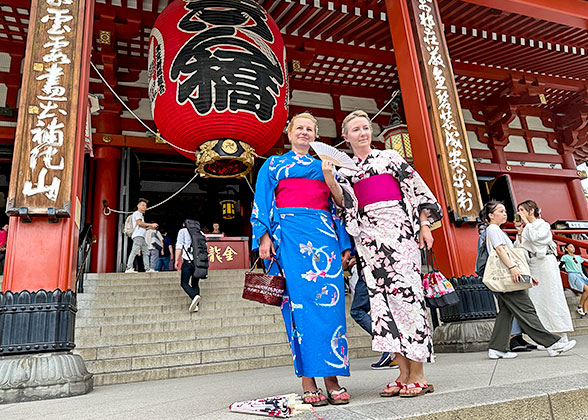 8 Days Mini Group Tour to Tokyo - Hakone & Mt. Fuji - Kyoto - Nara - Osaka - Hiroshima - Osaka from USD2834
 -
 10 Days Private Tour of Tokyo - Mt. Fuji - Nagoya - Takayama - Shirakawa-go - Kanazawa - Kyoto - Nara - Hiroshima - Osaka from USD3896
 -
 7 Days Mini Group Tour for Essence of Japan: Tokyo - Mt. Fuji - Kyoto - Nara - Osaka from USD2204