
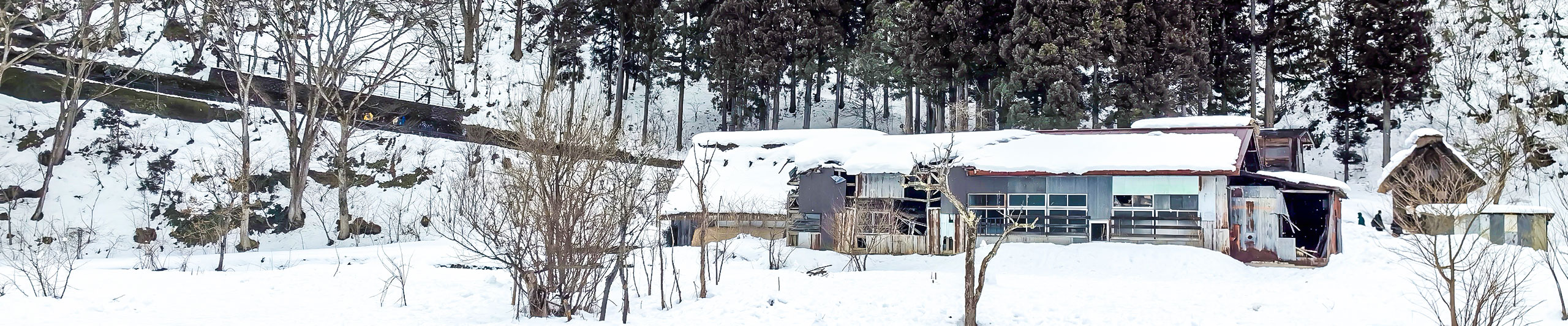

Japan Weather in January
January in Japan is winter, with most regions experiencing cold temperatures. Then, does it snow in Japan in January? Yes, but there is a stark contrast between the detailed situations of different areas: the cities on the Sea of Japan coast may see persistent snowfall, while the cities on the Pacific coast, such as Tokyo, tend to have dry and sunny weather.

Is January the Coldest Month in Japan?
Yes, Japan weather in January features the lowest temperature of the year. However, not all places are quite cold at that time.

Street View of Osaka in Cold January
|
Specifically, Hokkaido, located in the northernmost part of Japan, is the coldest region in the country. For instance, in January, temperatures in Sapporo, Hokkaido, typically range from -10 to -5 degrees Celsius (14-23 degrees Fahrenheit), with the minimum value potentially dropping to around -15°C (5°F). As you travel south, temperatures gradually rise: in cities in central Japan like Tokyo and Osaka, temperatures are generally 5-10°C (41-50°F). Some areas may occasionally see lows dip below freezing this month, but such occurrences are more common in the cities on the Sea of Japan coast. Overall, visiting these areas in January will still feel cold, but won’t be unbearable. In contrast, southern regions like Okinawa have temperatures of about 15-20°C (59-68°F) during January, making them warm or cool and ideal destinations for escaping the cold.

What Is the Precipitation Situation in Japan in January?
Regions on the Sea of Japan coast, that is, cities in western Japan, such as Hokkaido, Tohoku, and Hokuriku, experience frequent snowfall and numerous snowy days. The following data may provide a clearer picture: In January, Sapporo, Hokkaido, sees around 17 days of snowfall on average. Besides, in addition to light snow, moderate snowfall also often occurs. So, these areas typically feature thick snow cover and picturesque winter landscapes throughout the month, attracting many tourists.
In contrast, the Pacific coastal regions, that is, cities in eastern Japan, like Tokyo and Osaka, see only a little snow. On one hand, these areas have relatively low precipitation in January, making it one of the driest months of the year. On the other hand, due to the slightly higher temperatures, precipitation in January typically falls as rain.
In warm southern cities like Okinawa, January brings no snow but does see some rainfall.
How Long Are Daylight Hours/Sunshine Hours in January?
In January, daytime hours across Japan average around 10 to 11 and the sky gets dark quite early at around 16:39-17:07, meaning you have relatively limited time for sightseeing. For a more relaxed trip, consider extending your stay and avoiding overbooking your daily itinerary. Additionally, some attractions shorten their opening hours during this month, so be sure to check relevant information in advance when planning your schedule to avoid missing places you are interested in.Sunshine hours vary significantly between cities. Coastal cities along the Sea of Japan, known for higher precipitation in January, typically see only 2-3 hours of sunshine on average per day. In contrast, cities that experience less rainfall and more sunny days, like Tokyo, can enjoy an average of about 4-6 hours of sunshine per day.


Is January a Good Time to Go to Japan?
Generally speaking, January is not a very good visiting time for most people because of the cold climate of Japan and somewhat barren scenery. However, for some visitors, Japan in January has the following unique experiences that attract them:
1. At that time, cities on the Sea of Japan coast, like Hokkaido, have wonderful snow-covered landscapes and various winter activities.
2. January in Okinawa not only offers comfortable temperatures, but also is one of the best months for whale watching.
3. In January, the summit of Mount Fuji is covered by white snow. Additionally, this month, the weather here is mostly clear with excellent visibility, a perfect condition to admire Mount Fuji.
4. For other cities without quite distinctive landscapes at this time, most of this month marks the slack season for travel, meaning you can enjoy a quiet and leisurely trip and book hotels with good environments at reasonable prices.
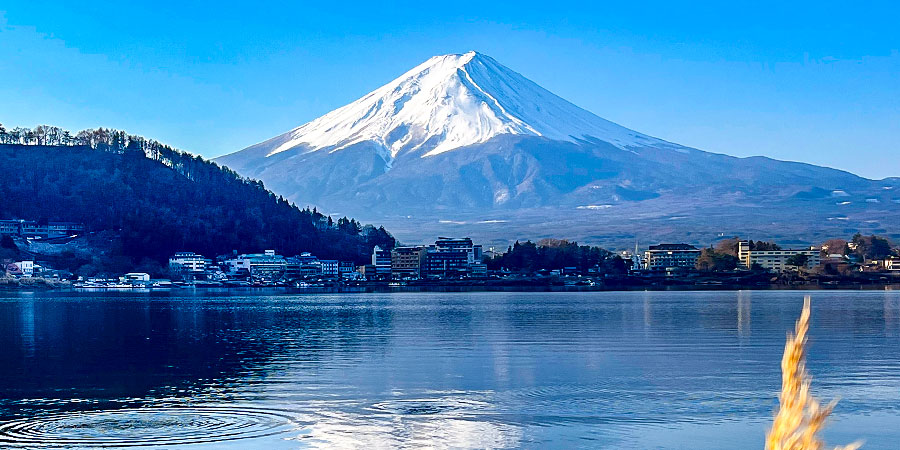
Mount Fuji in January
|
If you are drawn to these advantages and plan to visit Japan in January, the following information will help you have a better experience.
How Should I Dress in Japan in January?
For very cold cities in northern Japan, like Hokkaido:
Outdoors are cold undoubtedly, but indoors are warm thanks to the heating. So, you are recommended to dress in layers to stay cozy both indoors and outdoors. Specifically, for your upper body, wear thermal underwear as the first layer, a sweater or hoodie as the second layer, and a thick down coat as the outer layer. For your lower body, thermal leggings plus thick sweatpants or jeans are advised to wear. For footwear, opt for warm and slip-resistant snow boots.Others: Hats and scarves can effectively shield you from the cold wind. Additionally, since snow reflects sunlight, you need to bring sunglasses to protect your eyes.
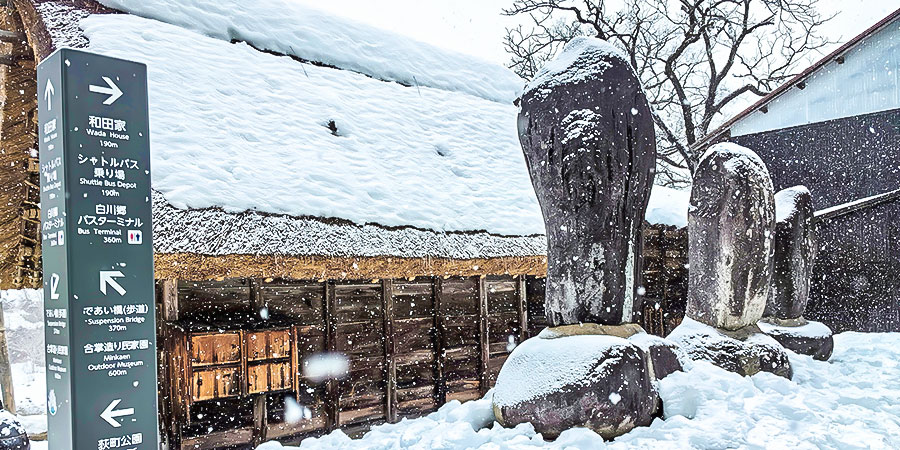
Cold and Snowy Hokkaido in January
|
For relatively cold cities in central Japan, like Tokyo and Osaka:
You are recommended to bring hoodies and sweaters as the inner layer for the upper body. As for the jackets, down jackets are necessary for the cold nights. If you are not sensitive to cold, you can also wear overcoats during the daytime. Relatively thin fleece-lined jeans and thick casual shoes are suitable choices for the bottom body.For cool or warm cities, like Okinawa:
During the daytime, hoodies plus sweatpants or long-sleeved shirts and knitwear plus jeans are recommended outfits. When nights fall, windbreakers need to be put on. All kinds of comfortable flats are OK.
|
|
|
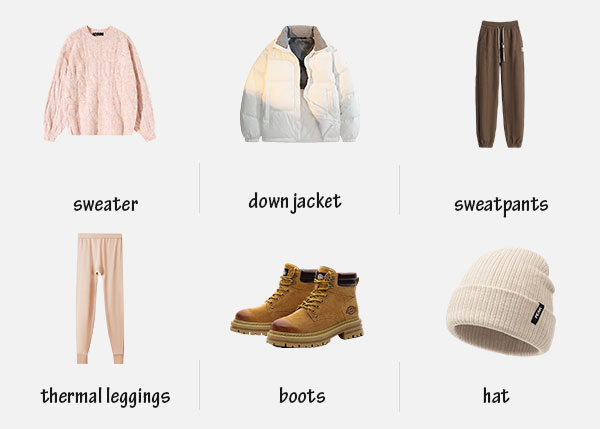

Tips for Visiting Japan in January
1. If you plan to visit cities along the Sea of Japan coast in January for snow viewing, it is advisable to monitor weather conditions closely, since heavy snowfall can significantly disrupt local transportation. Should blizzard warnings appear in the forecast, be sure to adjust your itinerary promptly. Additionally, avoid scheduling your trip too tightly and allow ample time for travel delays.
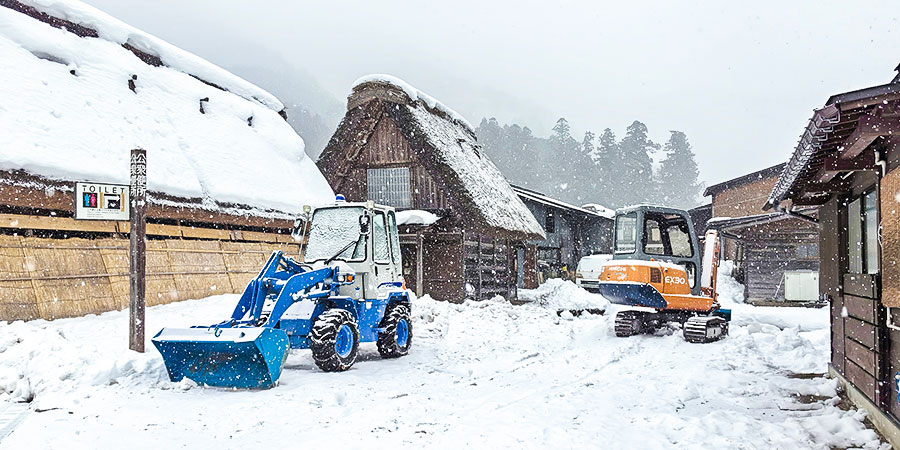
Roads Being Covered by Thick Snow
|
2. The New Year period in early January is indeed an excellent time to experience Japan’s festive atmosphere, with temples bustling with activity. However, be aware that during this period, accommodation tends to be expensive, and related options may be limited. Additionally, some attractions and shops may be closed temporarily. Therefore, if you are not particularly interested in traditional Japanese culture, it’s advisable to avoid traveling during this period.
3. In 2027, January 11 is the Coming of Age Day, a public holiday in Japan. When combined with the weekend of the 10th and 11th, a three-day holiday is formed for local people, so popular travel destinations will see more visitors than usual. If you plan to visit Japan during this time, remember to book your hotel in advance.January Weather of Major Cities in Japan
| January | Temperature | Sunrise / Sunset |
Humidity (%) |
|
| High | Low | |||
|
Aomori |
0°C / 32°F | -5°C / 23°F | 06:59 / 16:35 | 82 |
|
Asahikawa |
-4°C / 24.8°F | -12°C / 10.4°F | 06:52 / 16:13 | 82 |
|
Fukuoka |
10°C / 50°F |
3°C / 37.4°F |
07:23 / 17:34 |
65 |
| Hakata | 10°C / 50°F |
3°C / 37.4°F |
07:23 / 17:20 | 63 |
| Hakodate |
1°C / 33.8°F |
-7°C / 19.4°F |
07:05 / 16:17 | 74 |
|
Hakone |
10.8°C / 51.4°F |
-0.8°C / 30.6°F |
06:45 / 16:55 |
68 |
| Hirosaki | -1°C / 30.2°F | -6°C / 21.2°F | 07:01 / 16:35 | 89 |
|
Hiroshima |
9°C / 48.2°F | 2°C / 35.6°F | 07:16 / 17:24 | 63 |
|
Kagoshima |
13°C / 55.4°F |
4°C / 39.2°F |
07:18 / 17:38 |
64 |
| Kamakura | 9°C / 48.2°F | 2°C / 35.6°F | 06:42 / 17:08 | 44 |
|
Kanazawa |
7°C / 44.6°F | 0°C / 32°F | 07:04 / 17:02 | 72 |
|
Kobe |
9°C / 48.2°F | 1°C / 33.8°F | 06:58 / 17:27 | 63 |
|
Kochi |
11°C / 51.8°F | 2°C / 35.6°F | 07:10 / 17:21 | 56 |
|
Kyoto |
9°C / 48.2°F | 1°C / 33.8°F | 07:05 / 17:08 | 63 |
|
Lake Kawaguchi |
5°C / 41°F |
-7°C / 19.4°F |
06:50 / 16:55 |
70 |
| Mount Fuji | 5°C / 41°F | -6°C / 21.2°F | 06:50 /16:55 | 62 |
| Nagasaki | 10°C / 50°F | 4°C / 39°F | 07:21 / 19:28 | 66 |
|
Nagoya |
9°C / 48.2°F | 1°C / 33.8°F | 07:00 / 17:04 | 64 |
| Nara |
8°C / 46.4°F |
1.5°C / 34.7°F |
07:04 / 17:07 |
63 |
|
Niigata |
5°C / 41°F | 1°C / 33.8°F | 06:58 / 16:49 | 74 |
|
Nikko |
2°C / 35.6°F | -7°C / 19.4°F | 05:52 / 17:00 | 65 |
| Okinawa | 20°C / 68°F | 15°C / 59°F | 07:18 / 18:00 | 65 |
|
Osaka |
9°C / 48.2°F | 3°C / 37.4°F | 07:05 / 17:10 | 57 |
|
Sapporo |
0°C / 32°F | -7°C / 19.4°F | 07:03 / 16:26 | 68 |
|
Sendai |
5°C / 41°F | -2°C / 28.4°F | 06:52 / 16:41 | 66 |
| Shirakawa-go |
2°C / 35.6°F |
-4°C / 24.8°F |
06:55 / 17:18 | 84 |
| Shizuoka |
12°C / 53.6°F |
2°C / 35.6°F |
06:56 / 17:00 | 60 |
|
Takayama |
3°C / 37.4°F |
-6°C / 21.2°F |
06:59 / 17:12 |
80 |
|
Tokyo |
9°C / 48.2°F | 4°C / 39.2°F | 06:50 / 16:52 | 44 |
| Wakayama |
10°C / 50°F |
4°C / 39.2°F |
07:04 / 17:12 | 61 |
| Yokohama | 10°C / 50°F | 3°C / 37°F | 06: 48 / 16:51 | 53 |