


Best Time to Visit Nara
What Is the Best Time to Visit Nara?
March to May in spring and October to November in autumn are the best times to visit Nara throughout the year.
March to May:
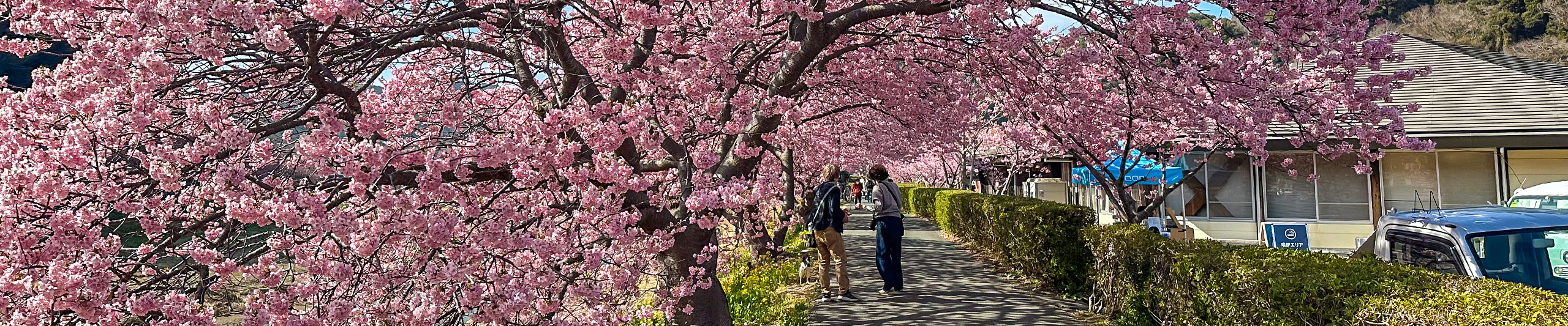
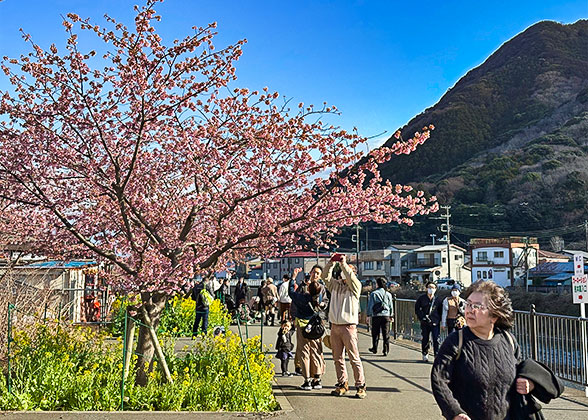
March through May marks springtime in Nara. Temperatures are comfortably warm: aside from a few cooler days in early March with highs around only 10-15 degrees Celsius (50-59 degrees Fahrenheit), most days see temperatures between 15-25℃ (59-77℉). The weather is relatively stable with not-so-much precipitation, offering plenty of sunny moments. Such conditions are ideal for outdoor activities like visiting temples and shrines, and strolling through Nara Park. Beyond the good weather, the perfect scenery during this period is another key reason why it’s the best time to visit Nara. From March to April, Nara gradually becomes a world of pink cherry blossoms. Paired with the deer and ancient temples, this creates Nara’s iconic landscape. While May lacks cherry blossoms, its lush greenery also offers a vibrant travel experience.
|
|
|
October to November:
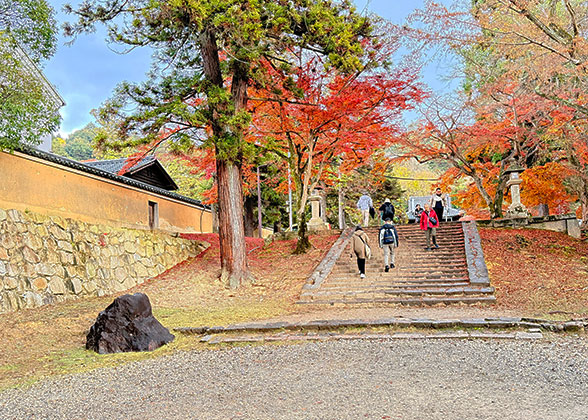
This is also one of the most comfortable times of the year in terms of temperatures. Daily highs range from 15 to 25℃ (59-77℉), while lows hover between 10 and 20℃ (50-68℉). Precipitation is relatively low, with an average of 10 and 7 rainy days per month, respectively. Additionally, this period offers exceptionally scenic views: the autumn foliage. Starting in late October, attractions like Isuien Garden, Mount Wakakusa, and Todaiji Temple gradually showcase red maple leaves and golden ginkgo leaves. Of course, the grasslands also begin to turn a brilliant gold. By late November, the autumn foliage view reaches its peak, turning Nara into a world of red and yellow colors.

What Is the Best Time to Watch Nara’s Deer?
June to August is the best time to see Nara’s deer for their beautiful appearance. During the 3 months, their fur has a light brown color with white spots, making them look very beautiful and cute. Additionally, it’s worth noting that this is also the time when you can spot newborn fawns. However, you should be reminded that the weather of Nara during these three months is not good: June-July is the time of the plum rainy season and hot and August has the highest temperature throughout the year.
 Note:
Note:
1. More details about the appearance of the deer throughout the year: March through May and September through November mark the period for deer to molt, when their coat appears predominantly grayish-brown, with faint and sparse white spots. From December to February, the deer’s coat becomes thicker and uniformly grayish-brown without any spots.
2. September to November is the mating season, during which they become quite aggressive. When visiting, you should maintain a safe distance from them.
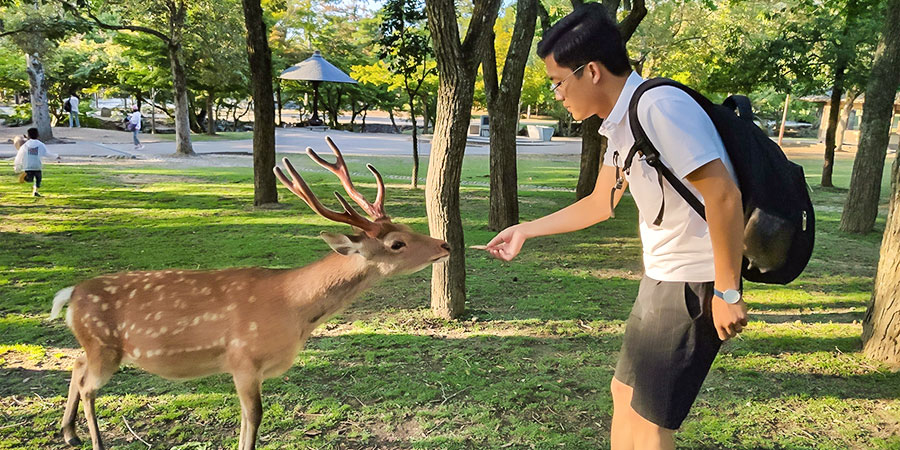
Nara's Deer in Summer
|
What Is the Best Time for Cherry Blossoms in Nara?
Generally speaking, the cherry blossoms reach their best appreciation time, or their peak time, in late March. And usually, this period lasts for a week to early April. In 2026, the corresponding peak time is predicted to be March 26-April 2.As a reminder, there are also some late-blooming cherry blossoms in attractions in Nara, such as Nara Park, Hasedera Temple, and Gangoji Temple. Their peak viewing period generally falls in mid-to-late April, sometimes lasting to early May.
See Also: Japan Cherry Blossom Dates Forecast 2026; Best Sakura Months in Japan
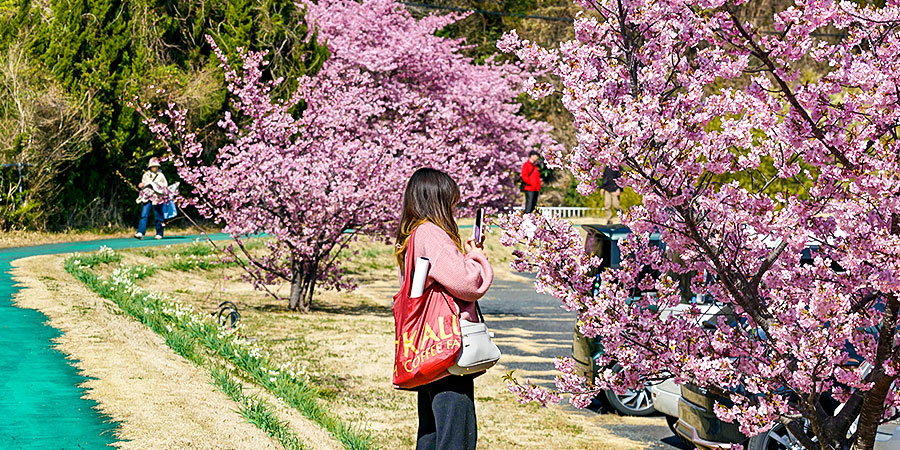
Blooming Sakura in Nara Park
|
What Is the Best Time for Red Leaves in Nara?
The leaves in most attractions of Nara, like Nara Park, indeed begin to change their colors as early as late October, but their peak season usually lasts from late November to early December, for about 1-2 weeks.Want to learn more? With different elevations and locations, various attractions show differences at the specific time of the peak time for autumn leaves, offering you a longer viewing window. So, following, you will know the peak times of autumn leaves in other famous spots in or near Nara: Suburban sites like Tanzan Shrine and Hasedera Temple potentially reveal expanses of red leaves as early as mid-November. Then, for those seeking the stunning autumn colors of higher-elevation Yoshino Mountain, a famous viewing spot for these red leaves even in Japan, you may need to arrange your trip for around early November.
Read more: Japan Fall Foliage Forecast in 2026
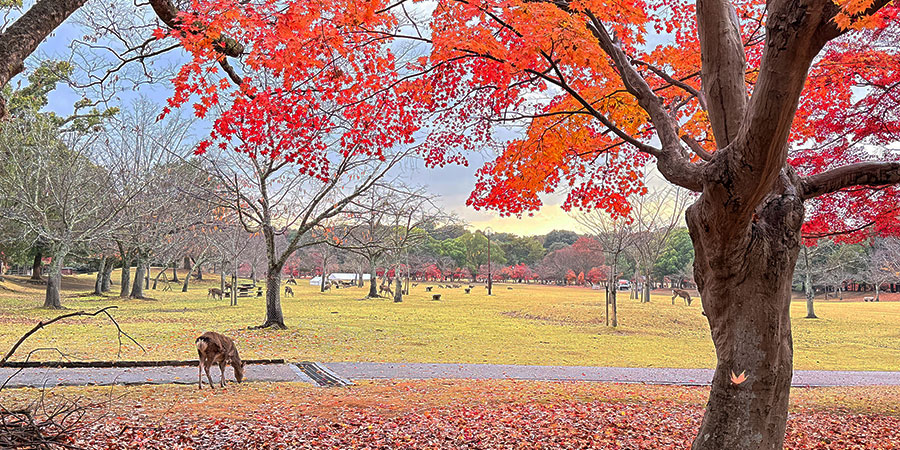
Red Leaves in Nara
|
Most and Least Crowded Season of Nara
Most Crowded Season / Most Expensive Season of Nara
First, the peak seasons for cherry blossom viewing from late March to early April and autumn foliage viewing from late November to early December are the busiest times of the year in Nara. After all, both domestic and international tourists are drawn to these two distinctive landscapes. Second, Nara experiences significant influxes of domestic tourists during Japan’s public holidays, including Golden Week from late April to early May, summer vacation from mid-July to August, the Obon Festival in mid-August, and Silver Week in late September.
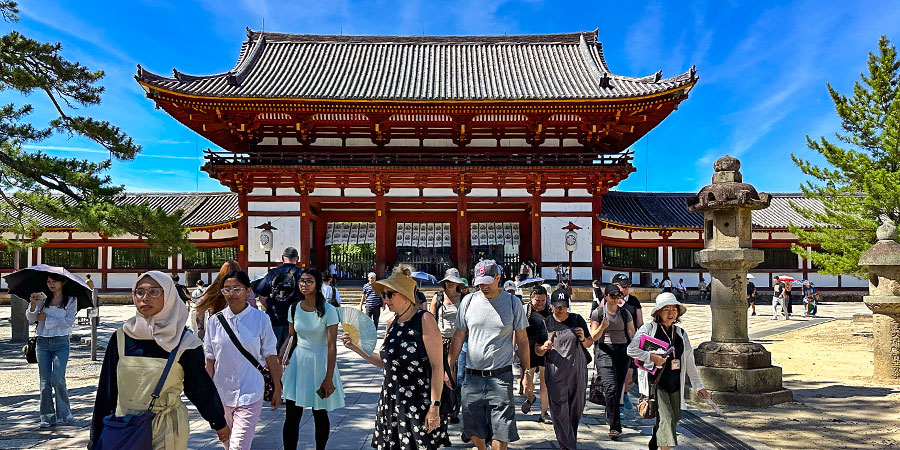
Crowded Todaiji Temple in Summer
|
Tips for Travelling to Nara in this PeriodIf possible, you are recommended to avoid visiting Nara during the public holiday periods. If you only have time during these times, or if you plan to admire Sakura or red leaves, please:
1. Reserve hotels and buy air tickets as early as possible, which gives you more choices and helps you spend not so much.
2. Try to arrive at the famous attractions at the time they just open, so as to avoid some crowds.
Least Crowded Season / Cheapest Season of Nara
Mid-January to early March, mid-June to early July, and December are the least crowded times in Nara, and thus with the lowest travel costs. If you prefer a quieter exploration of the city, these periods are excellent choices. However, note that mid-January to February can be cold, and mid-June to early July marks Nara’s rainy season also with high temperatures.
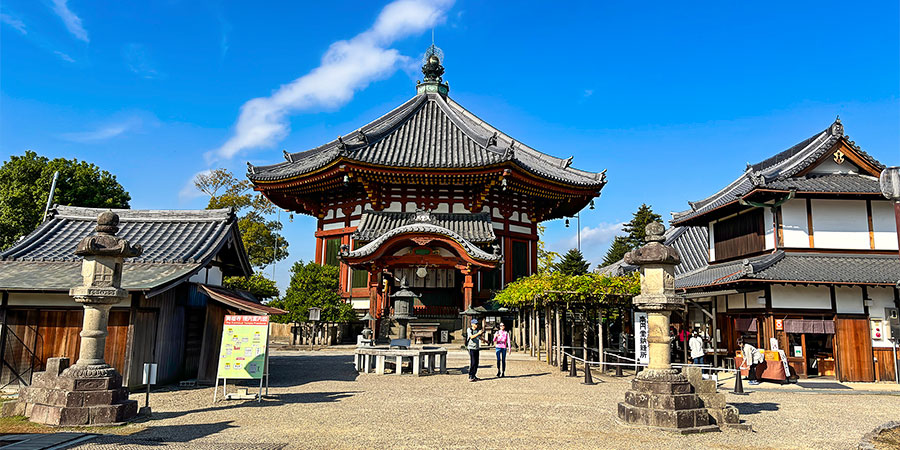
Quiet Nara
|
Most Famous Festivals of Nara throughout the year
| Festivals | Times | Highlights |
|
Wakakusa Yamayaki |
Fourth Saturday in January |
The ritual of setting the entire mountain ablaze, and fireworks |
|
Setsubun Mantoro |
February 3 |
About 3,000 illuminated lanterns |
|
Nara Tokea |
August 5 to 14 |
About 3,000 illuminated lanterns and 20,000 lit candles |
|
Kasuga Wakamiya Onmatsuri |
December 15 to 18 |
Grand processions and traditional performances |
Nara Weather by Month
You May Like
-
 8 Days Mini Group Tour: Tokyo - Hakone & Mt. Fuji - Kyoto - Nara - Osaka - Hiroshima - Osaka from USD2834
 -
 7 Days Private Tour of Tokyo - Mt. Fuji - Tokyo - Kyoto - Nara - Osaka from USD2456
 -
 11 Days Mini Group Tour to Tokyo - Hakone - Kyoto - Nara - Osaka - Hiroshima - Kanazawa - Shirakawa-go - Takayama - Tokyo from USD3635