

- Mongolia Tourist Visa
- Weather & Best Time
- Travel Tips
- Transportation
Olgii Weather
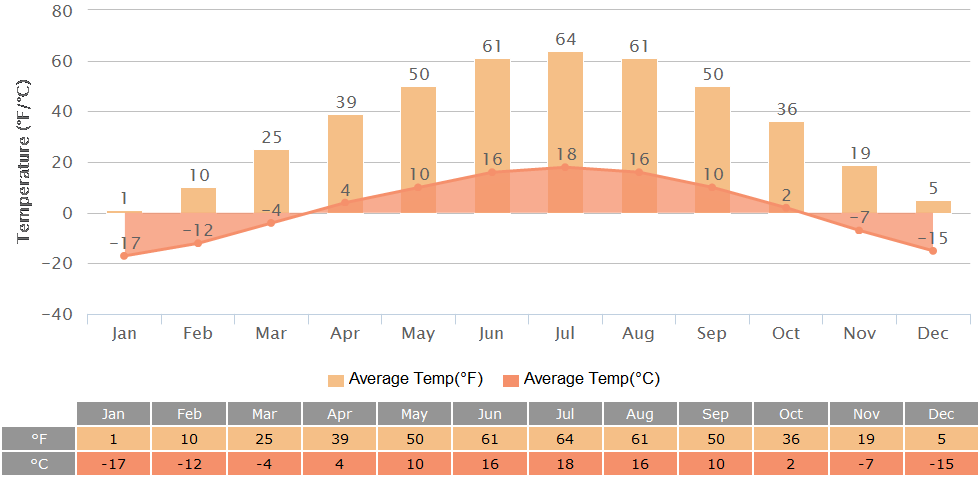
Olgii, Ulgii or Ulgit, located in the far west Mongolia, belongs to temperate continental climate zone. Throughout the year, Olgii sees large temperature difference, with winter being freezing and lasting for as long as 5 months and summer being warm. Spring and autumn as the transitional period are transient. It has scarce precipitation but abundant sunshine. Strong winds hit the place frequently. June to August enjoys the most favorable weather conditions and attractive scenery, thus becoming the peak travel season.
Temperature: Relatively Low with Large Difference
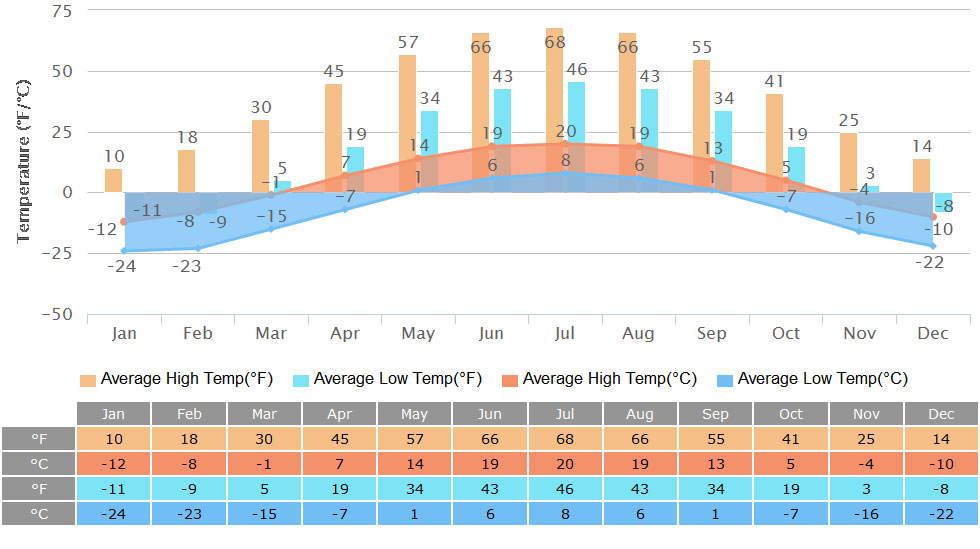
Large temperature difference both yearly and daily is the stark characteristic of Olgii weather. In winter, the daytime high temperatures mostly fluctuate between -21 and 8 degrees Celsius (-6 - 46 degrees Fahrenheit); while coming to summer, the daily highs maintain beyond 25 ℃ (77℉). The day-night temperature difference over 10℃ (50℉) is commonly seen and it even surpasses 15℃ (59℉) sometimes.In comparison with worldwide destinations, the temperature in Olgii is in low range. Strong winds also make the perceived temperature lower. Therefore, windproof thick clothes are needed no matter in winter or summer especially for lake and mountain areas where it blows frequently.
What is the Coldest Month in Olgii?
January is undoubtedly the coldest month of the year in Olgii. During daytime, the high degree usually ranges from -17 to -5℃ (2 - 23℉), even further dropping to around -22℃ (-8℉) in some days. The low values at night swing between -28 and -12℃ (-18 - 10℉), but minimum temperatures below -30℃ (-22℉) also occur. The weather of Olgii in this month is bitterly cold that visitor may feel there are ice chips in the nose after staying outside for only several minutes.
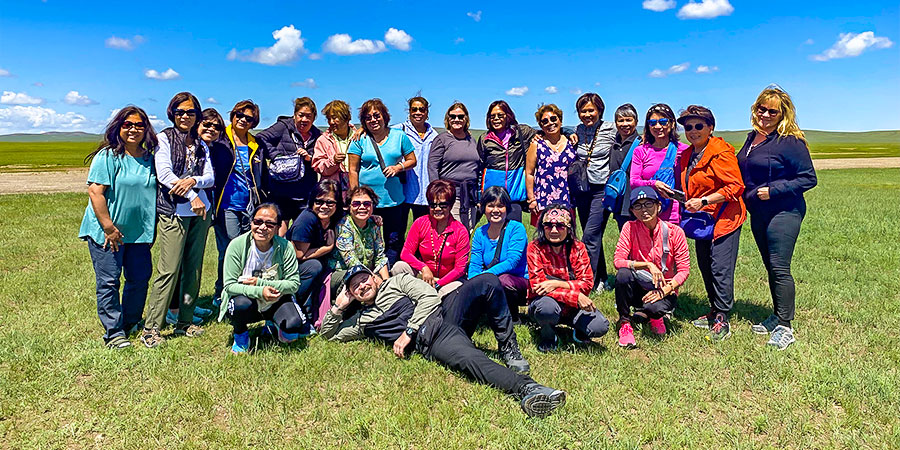
Various Dressing in Summer
|
What is the Hottest Month in Olgii?
The hottest month in Olgii falls in July, the peak summer month. Its daytime high degrees rarely go below 20℃ (68℉) and hardly exceed 29℃ (84℉); on occasions, it hovers around 32℃ (90℉). Instead of burning hot, Olgii climate in this month is mostly cozy and warm; even in highest temperatures, you feel only a little hot around noon or after long-time walking. After sun sets, the temperatures drop to the range of 11 - 18℃ (52 - 64℉) - a pleasantly cool level for night activities.Precipitation: Scarce and Uneven
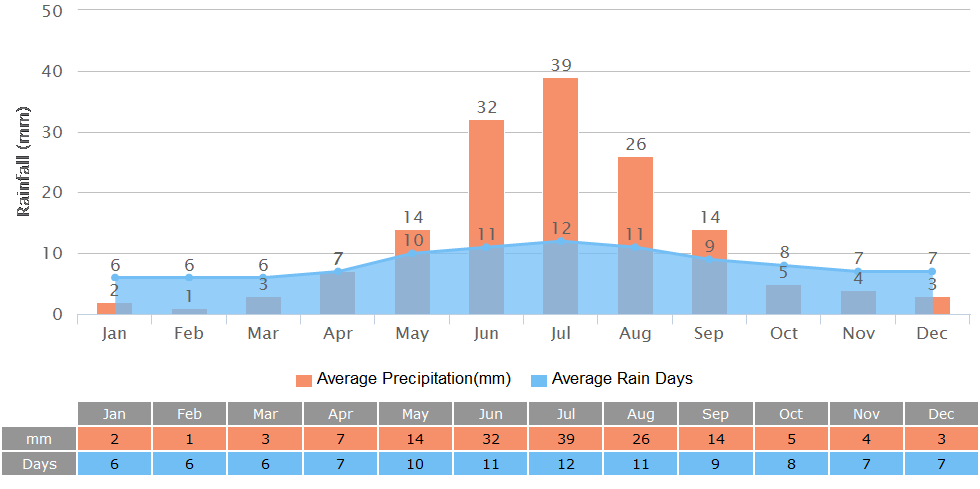
Influenced by temperate continental climate, Olgii receives an average precipitation of only about 113mm (4.45 in) annually, so scarce that the land always keeps arid and drought. Meanwhile, the precipitation is distributed unevenly in the year. July sees the most rainfall of 39mm (1.54 in) on average, which however remains exceptionally scarce compared with most other destinations in the world. Throughout the winter, the monthly precipitation is mostly no more than 5mm (0.2 in). The small amount of precipitation implies that visitors don’t need to worry much about its interruption on your schedule.
Sunlight: Fluctuating but Overall Abundant
The sunlight hours in Olgii are of seasonal variations, but in general, it enjoys abundant and bright sunshine since there are 9 months with average daily sunlight time no less than 6 hours. In details, May to August boasts the longest daily sunshine duration of 10 hours averagely, while in December, the daily hours of sunshine decrease largely to 4 hours only. Accordingly, the UV index in Olgii reaches its highest level of 8 in July and August; the sunshine is strong still at dusk and it demands visitors to take sunscreen measures to prevent sunburn.
Best Time to Visit Olgii
June to early October, involving both summer and autumn of Olgii, is publicly considered as the best times to visit Olgii because of its agreeable weather, wonderful scenery and well-known Golden Falcon Festival.From June to August, the climate of Olgii is pleasantly warm during daytime and turns just a little cool after sunset, ideal for outdoor activities. Meanwhile, long daytime around 15 hours provides visitors sufficient time to go sightseeing and allow them to explore the place in depth. In terms of scenery, you can see the vibrant grassland like a green blanket, dotted with numerous wild flowers around Altai area.
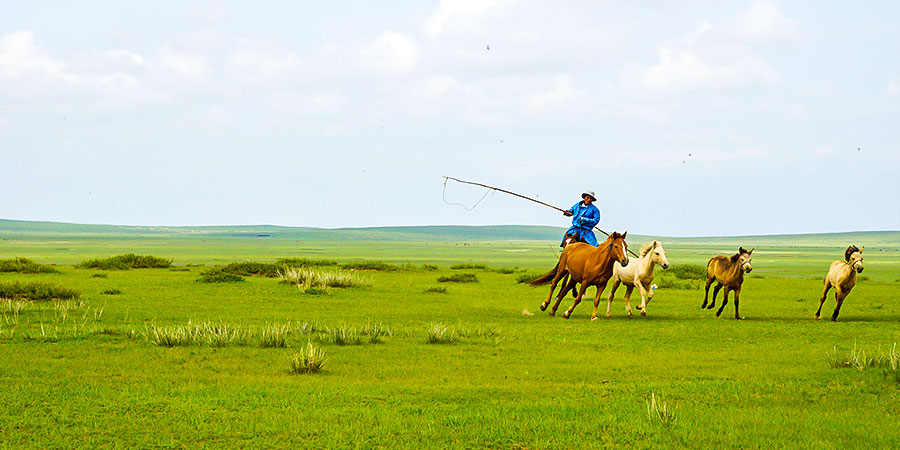
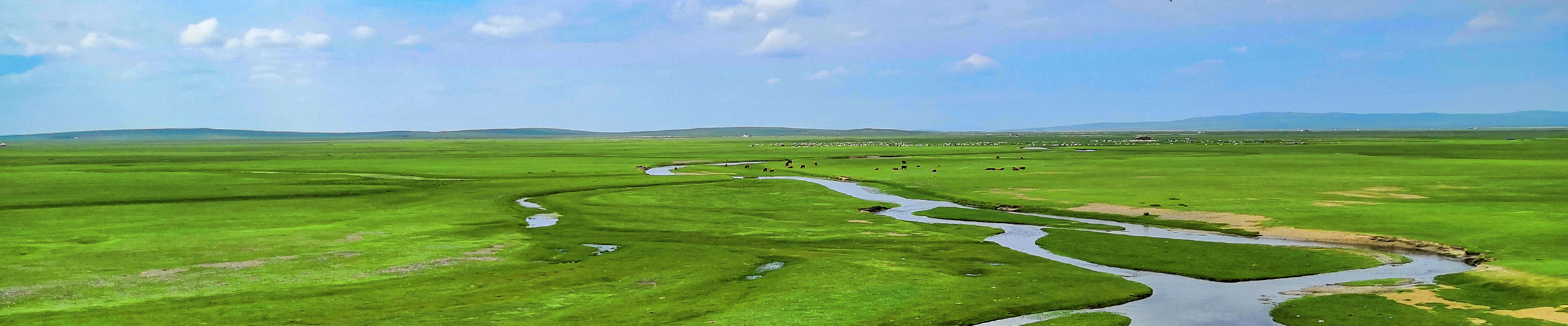
Vibrant Grassmand in Summer of Olgii
|
From September to early October, though the temperature plunges, it has not turned severely cold yet and long-time outdoor visits remain pleasant and possible with heavy clothes. Moreover, various autumn views can be seen in this period, from yellowish green in early September to golden scenery in early October. Also, snow-covered peak is available sometimes. More importantly, Golden Falcon Festival is usually held in the first week of October once in a year, which is a good chance for visitors to take part in this living tradition.
• Read more: Best Time to Visit Mongolia & Mongolia Weather
Spring: April - May
Weather
With the arrival of spring, April and May welcome obvious and quick temperature rises, which makes snow melting as well as plants sprouting. During this time, its daily highs change between 11 and 22℃ (52 - 72℉) with the low degrees varying from 2 to 12 ℃ (35 - 54℉). However, the overall temperature trend fluctuates drastically and sudden drops often occur. Visitors may feel like experiencing spring even summer and winter in several days. Strong winds also bring dusty days in spring when the land is relatively barren with quite a little vegetation cover.
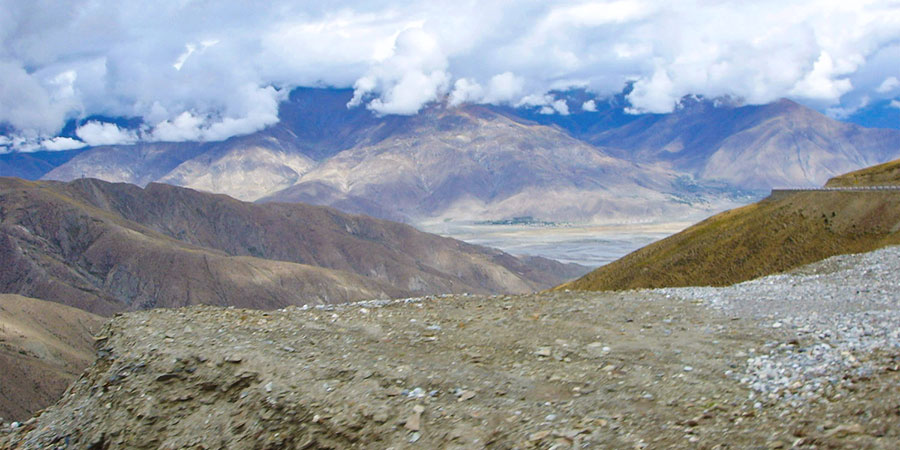
Barren Olgii in Early Spring
|
What to Bring
Clothes: blouses, hoodies, knit wear, sweaters; trench coats, leather coats, woolen coats, thin down coats;
Shoes: any comfortable shoes with different thickness of socks;
Others: sunproof products such as sunblock, sunglasses and sunscreen hats; protective masks.
Travel Tips
1. When dusty days occur, be sure to wear masks to prevent the sand getting into your mouth and nose. If you have respiratory diseases, prepare relevant medicines just in case.
2. Normally, heating system stops service on May 15, but which is constricted to urban area in Olgii. In suburbs where most heat is supplied by burning woods and cow dungs, the heating might be stopped earlier or later based on real-time temperature.
Summer: June - August
Weather
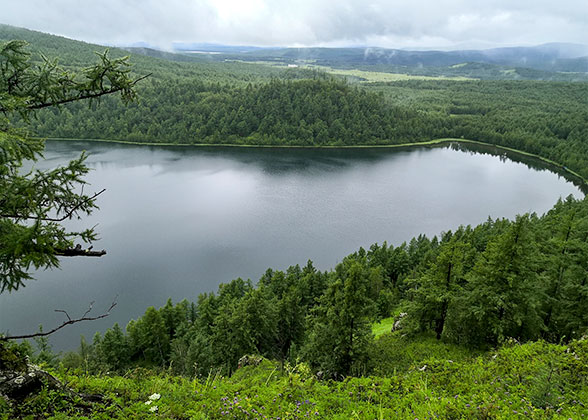
Rainy Season in Olgii
|
Rainy season also falls in summer, but with the monthly rainfall less than 40mm (1.57 in), the precipitation is not high enough to disrupt your schedule largely. Considering all the above weather conditions, summer becomes the most favorable travel time for visitors. But sunshine is at the yearly highest level of UV index 8 in June and July, thus making sunscreen measures indispensable.
What to Bring
Clothes: light-colored T-shirts, long-sleeved ones, blouses; sunscreen coats, jackets, trench coats; dress, shorts, thin sweatpants, jeans;
Shoes: breathable sneakers, casual shoes;
Others: sunproof cream, sunhats, sunglasses, mosquito repellent spray, portable fan, raingear;
Travel Recommendations and Tips
1. Considering the large visitor flow in summer in Olgii, you are suggested to book hotels and air flights as early as possible so as to enjoy lower prices.
2. For natural views, Altai Tavan Bogd National Park, Baga Turgun Waterfall and Khurgan Lake are good destinations. But they are far southwest from Olgii downtown, so you had better be well prepared for long-time riding.
Autumn: September - October
Weather
In autumn, the temperatures fall progressively. The daily highs in September still hover around 20℃ (68℉) and drop to nearly 15℃ (59℉) in October; while the low temperatures decrease from about 12℃ (54℉) to 5℃ (41℉). Correspondingly, Olgii weather in autumn turns from pleasantly cool to slightly cold. With the end of rainy season, the precipitation gets even lower and brings a dry climate. But light snow is possible during this period. Olgii also welcomes another large visitor flow in early October who mainly aim at the grand falcon festival.
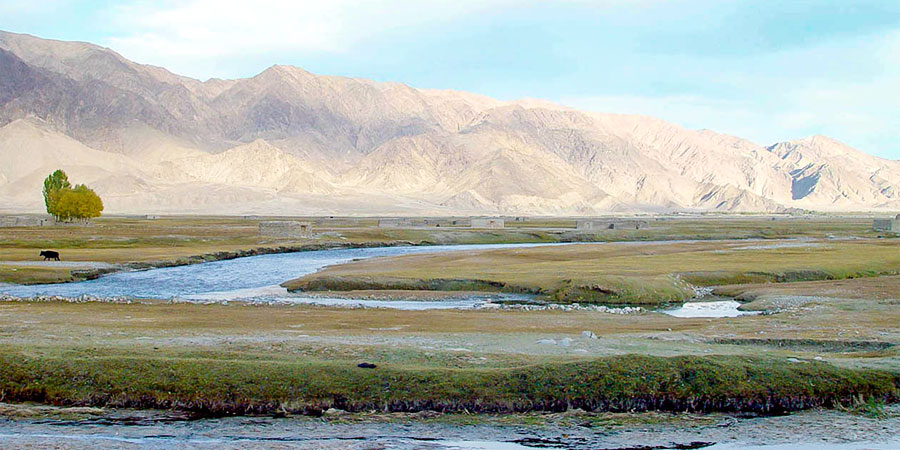
Autumn View in Olgii
|
What to Bring
Clothes: long-sleeved shirts, knit wear, hoodies, sweaters; trench coats, woolen coats, 3-in-1 windbreakers, down jackets; long johns, jeans, thick sweatpants;
Shoes: non-slippery and comfortable sneakers, walking boots;
Others: hats, scarves; moisturizing cream, sunscreen products;
Tips
1. The Golden Falcon Festival 2026 is held on October 3 - 4 in Olgii and you had better make ticket reservations in advance.
2. Small-scaled eagle festivals are also held in September in Tolbo Lake, Altai area, Sagsai and other locations.
3. When participating in the eagle festivals, avoid wearing clothes of red color in case that the eagles mistake them as meat.
Winter: November - Next March
Weather
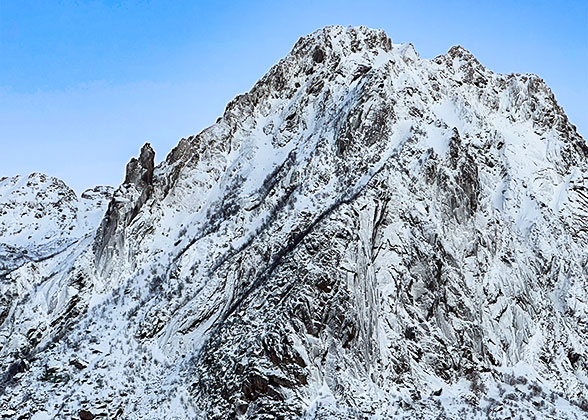
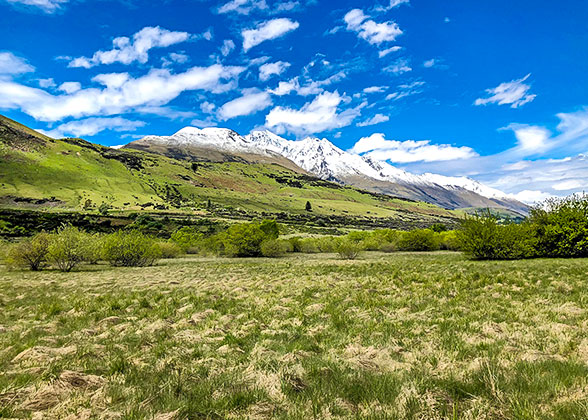
Snow Peaks in Olgii in Winter
|
The scarce precipitation is often in the form of snow showers, but light rainfall, sleet and heavy snow fall occasionally as well. Although snowfall is not much, snow view is available in the most time of winter, as once it falls, it doesn’t melt away in a short time.
What to Bring
Clothes: high-top thermal underwear, heavy sweaters, padded hoodies, down vests; woolen coats, 3-in-1 windbreakers, fleece-lined leather coats, down jackets, long and heavy down coats; long johns, padded jeans, fleece sweatpants, windproof jacket pants;
Shoes: leather shoes, padded sneakers, fleece-lined walking boots, snow boots;
Others: warm accessories including thick hats, scarves and gloves; skin-care products, masks;
Tips
1. Strong winds visit frequently in February and March. When it combines with snowfall, the visibility is pretty low. So, it is suggested to avoid outdoor activities under this condition; if have to, wear bright-colored clothes.
2. The Khovd River across Olgii just begin to freeze in November and the ice cover only becomes thick enough to walk on around middle December. It doesn’t melt until late March.